English
 русский
 Español
News
Home / News / Industry News / How Does Optical Platform Series HFC Transmission Equipment Improve Network Performance and Scalability?

Welcome to Prevail Website! Optical Communication Equipment Manufacturers and Suppliers in China

Content
Optical Platform Series HFC (Hybrid Fiber Coaxial) Transmission Equipment plays a critical role in modern broadband networks by enabling efficient signal transmission over long distances while maintaining high bandwidth and reliability. As cable television networks, broadband internet services, and multimedia delivery platforms continue to expand, HFC systems remain a cost-effective and scalable solution. Optical platform-based equipment integrates optical and RF technologies into modular systems, allowing operators to adapt quickly to changing network demands.
Unlike traditional standalone optical transmitters or receivers, optical platform series equipment is designed as a unified system architecture. This approach improves compatibility, simplifies maintenance, and enhances overall network stability. Understanding how this equipment functions and where it is best applied is essential for network planners, system integrators, and operators.
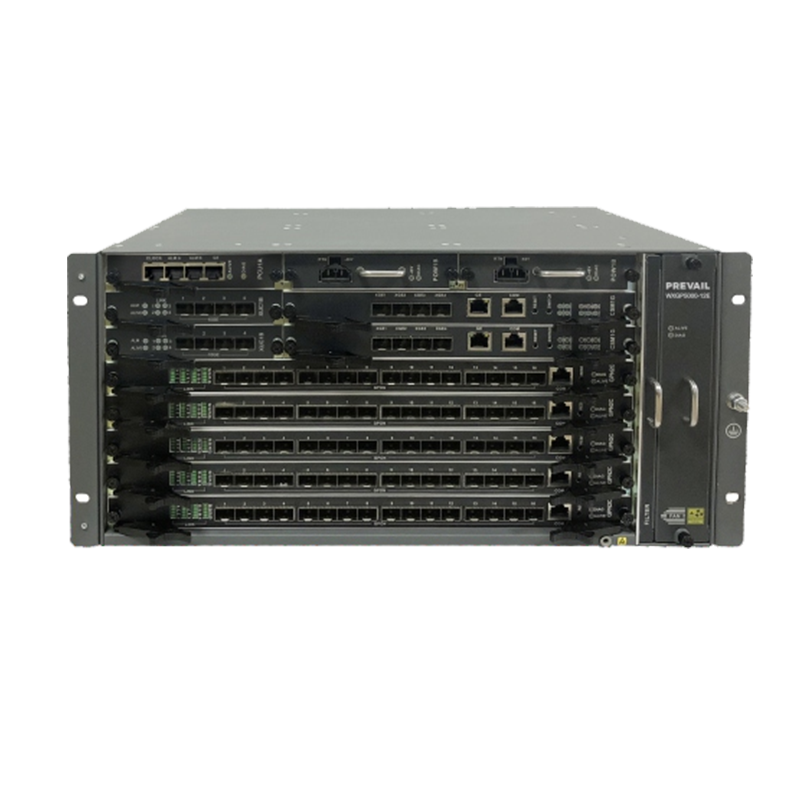
The core architecture of Optical Platform Series HFC Transmission Equipment is based on modular design. A central chassis hosts multiple functional modules, such as optical transmitters, optical receivers, amplifiers, and power management units. This structure allows flexible configuration according to network size and service requirements.
By consolidating multiple functions into a single platform, operators can reduce rack space, lower energy consumption, and simplify network expansion. Modular architecture also ensures that individual components can be upgraded or replaced without interrupting the entire system.
Optical transmitters convert RF signals into optical signals for long-distance transmission over fiber. In optical platform series equipment, these modules typically support multiple wavelengths and output power options, enabling optimized signal coverage and reduced noise. High linearity and low distortion are essential characteristics to ensure signal quality in CATV and broadband applications.
Optical receivers perform the reverse function by converting optical signals back into RF signals. Advanced receiver modules provide excellent sensitivity and wide dynamic range, ensuring stable performance even under fluctuating optical power conditions. This is particularly important in large-scale HFC networks with varying transmission distances.
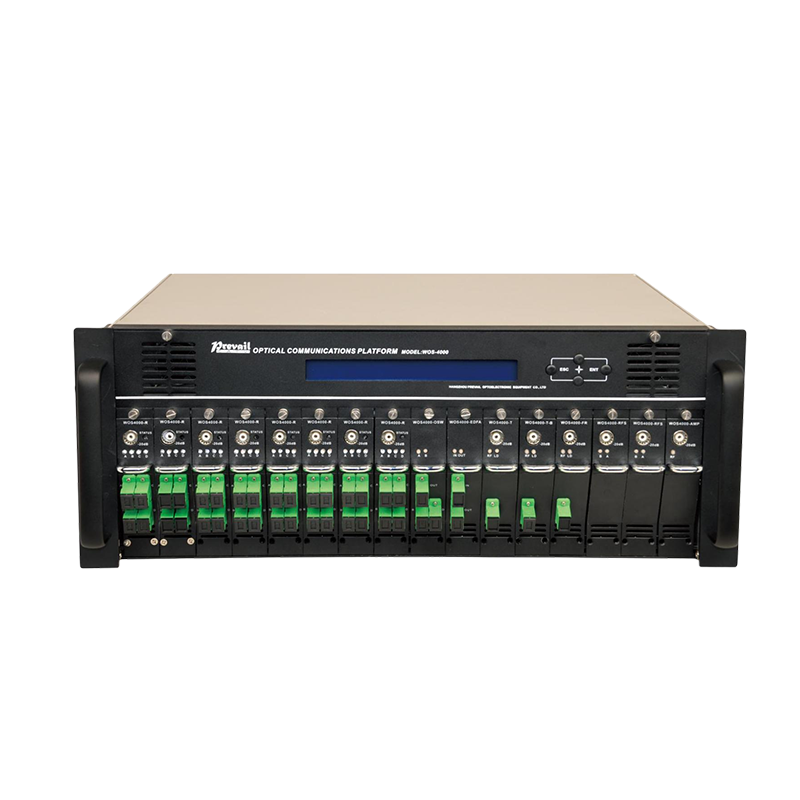
Optical Platform Series HFC Transmission Equipment is engineered to deliver consistent performance across diverse operating environments. High signal-to-noise ratio, low carrier-to-noise degradation, and strong resistance to electromagnetic interference are among the most valued technical advantages.
These systems also support high channel counts and broadband frequency ranges, making them suitable for modern digital services such as high-speed internet, HD television, and interactive multimedia applications.
Optical Platform Series HFC Transmission Equipment is widely used in cable television headends, fiber nodes, and distribution hubs. Its adaptability makes it suitable for both urban and rural network deployments. Operators rely on these platforms to deliver stable services to residential, commercial, and institutional users.
In addition to traditional CATV networks, these systems are increasingly deployed in smart city infrastructure, campus networks, and industrial communication environments where reliable broadband transmission is required.
Compared to standalone optical transmission devices, optical platform series solutions offer significant operational advantages. Centralized management, unified monitoring, and simplified cabling reduce overall system complexity. This integrated approach also improves fault diagnosis and reduces downtime.
| Feature | Optical Platform Series | Traditional Devices |
| System Integration | High | Low |
| Scalability | Flexible Modular Expansion | Limited |
| Maintenance Efficiency | Centralized | Distributed |
Selecting suitable Optical Platform Series HFC Transmission Equipment requires careful evaluation of network requirements. Factors such as transmission distance, signal type, channel capacity, and environmental conditions should all be considered during the selection process.
Operators should also assess future scalability needs to ensure the platform can support network upgrades without major infrastructure changes. Choosing equipment with proven reliability and comprehensive technical support can significantly reduce long-term operating costs.
As bandwidth demand continues to grow, Optical Platform Series HFC Transmission Equipment is evolving toward higher integration, smarter monitoring, and improved energy efficiency. The adoption of digital diagnostics and remote management tools is enabling operators to optimize network performance in real time.
In the future, optical platforms are expected to play a key role in the transition toward fiber-deep and distributed access architectures. Their flexibility and reliability make them a valuable foundation for next-generation broadband networks.
By understanding the structure, advantages, and application scenarios of Optical Platform Series HFC Transmission Equipment, network professionals can make informed decisions that enhance service quality and ensure long-term network sustainability.
top

E-mail:[email protected]

Telphone:+86-15967387077

FAX:+86-0571-82554407

Phone:+86-15967387077
QR code on
mobile phone