English
 русский
 Español
News
Home / News / Industry News / How Can IP Gateway Front-end Equipment Optimize Network Performance and Security?

Welcome to Prevail Website! Optical Communication Equipment Manufacturers and Suppliers in China

Content
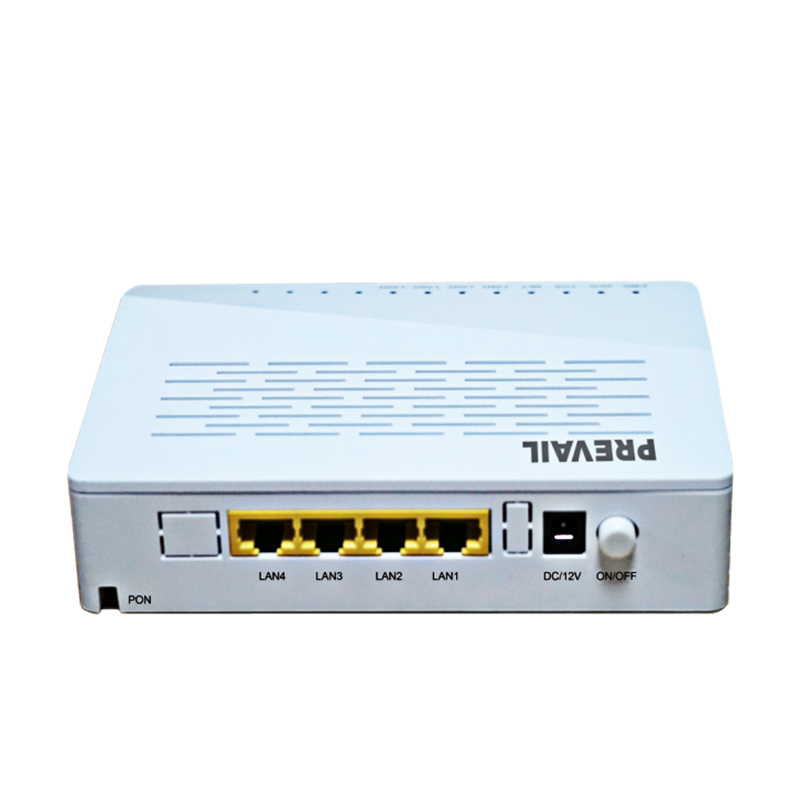
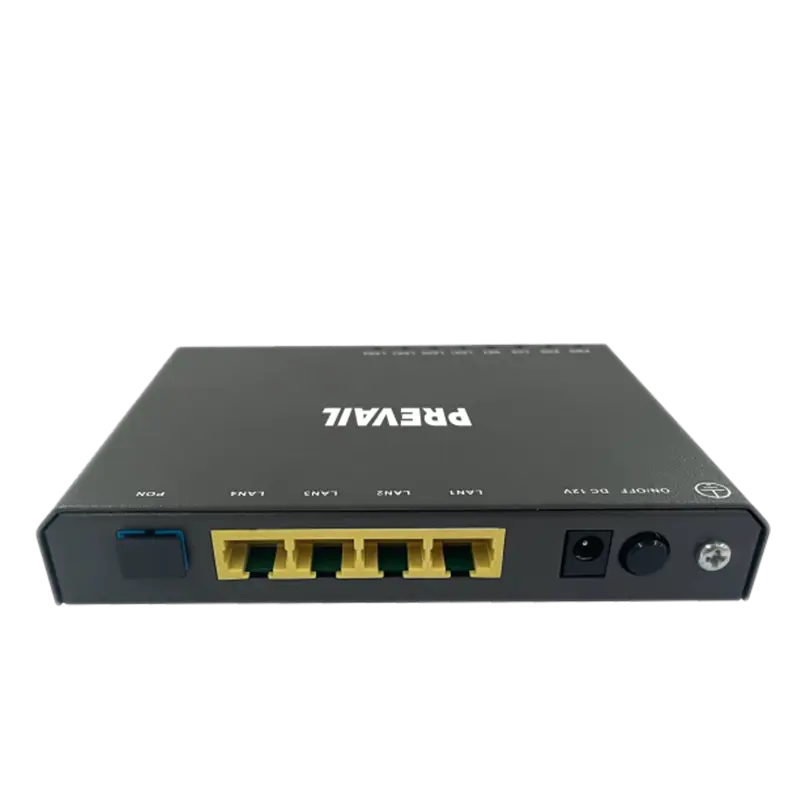
IP gateway front-end equipment serves as a critical interface between end-user devices and network infrastructure. It enables secure, efficient, and reliable data transmission for various applications, including video streaming, VoIP, and IoT services. By managing protocol conversion, routing, and traffic control, these devices ensure that networks operate smoothly while maintaining high performance.
Modern IP gateways are equipped with advanced features such as load balancing, firewall protection, and multi-protocol support. They are essential in both enterprise networks and service provider environments, where they act as the first line of defense against network disruptions and cyber threats.
The functionality of IP gateway front-end equipment can be divided into several critical areas, ensuring seamless network operation:
IP gateways convert signals between different communication protocols, such as SIP, H.323, and RTP. This allows devices with varying standards to communicate efficiently, reducing incompatibility issues and network delays.
Effective traffic management prevents network congestion and ensures optimal bandwidth allocation. Load balancing distributes data packets across multiple paths or servers, enhancing reliability and reducing latency for high-demand applications.
Front-end IP gateways provide essential security functions, including firewalls, encryption, and intrusion detection. These measures protect sensitive data and prevent unauthorized access, which is crucial in both enterprise and carrier-grade networks.
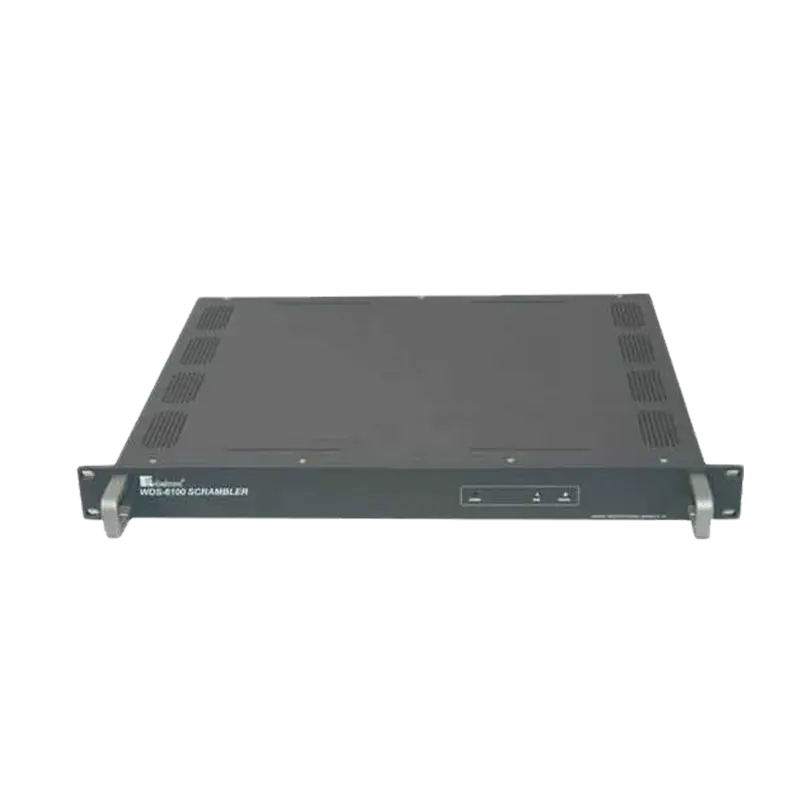
IP gateway equipment comes in various forms, each designed for specific network environments and operational needs:
Enterprise-grade gateways focus on secure connectivity for offices, campuses, and branch networks. They often include features like VPN support, QoS prioritization, and remote management to facilitate seamless communication across multiple locations.
Designed for service providers, carrier-grade gateways handle high traffic volumes and ensure reliable delivery of voice, video, and data services. These devices emphasize scalability, redundancy, and compliance with telecom standards to maintain network stability under heavy loads.
With the proliferation of IoT devices, specialized gateways aggregate and process data from sensors and smart devices. They manage connectivity, security, and protocol translation, allowing efficient communication between IoT endpoints and central servers or cloud platforms.
Deploying IP gateway front-end equipment requires careful planning to optimize performance and reliability. Key considerations include:
Maximizing the effectiveness of IP gateways requires regular monitoring and tuning. Strategies include:
| Feature | Enterprise Gateway | Carrier-grade Gateway | IoT Gateway |
| Traffic Capacity | Moderate | High | Variable |
| Security | Advanced | High | Moderate |
| Scalability | Moderate | Very High | Flexible |
| Use Case | Corporate offices, campuses | Telecom networks, ISPs | Smart homes, industrial IoT |
IP gateway front-end equipment is indispensable for modern networks, enabling secure, high-performance, and reliable data communication. By understanding their functions, types, deployment considerations, and optimization strategies, organizations can ensure efficient operation, scalability, and network security across enterprise, carrier, and IoT environments.
top

E-mail:[email protected]

Telphone:+86-15967387077

FAX:+86-0571-82554407

Phone:+86-15967387077
QR code on
mobile phone