What is the difference between GPON and HFC Transmission Equipment?
HFC Transmission Equipment and GPON (Gigabit Passive Optical Network) represent two major access network technologies used by service providers to deliver broadband, voice, and video services. Although both aim to connect end users to high-speed networks, they differ significantly in physical infrastructure, signal transmission methods, scalability, and long-term operational models. Understanding these differences is critical for network planners, operators, and enterprises evaluating upgrades or new deployments.
HFC transmission equipment is traditionally used in cable television and broadband systems, combining optical fiber and coaxial cable. GPON, by contrast, is a full-fiber access technology based on passive optical components and point-to-multipoint architecture. Each technology has strengths and trade-offs that impact performance, cost, maintenance, and future readiness.
Network Architecture Differences
The core architectural distinction between GPON and HFC transmission equipment lies in how signals are distributed from the service provider to end users. GPON uses a passive optical network structure, while HFC relies on a hybrid of fiber and active coaxial segments.
GPON Architecture
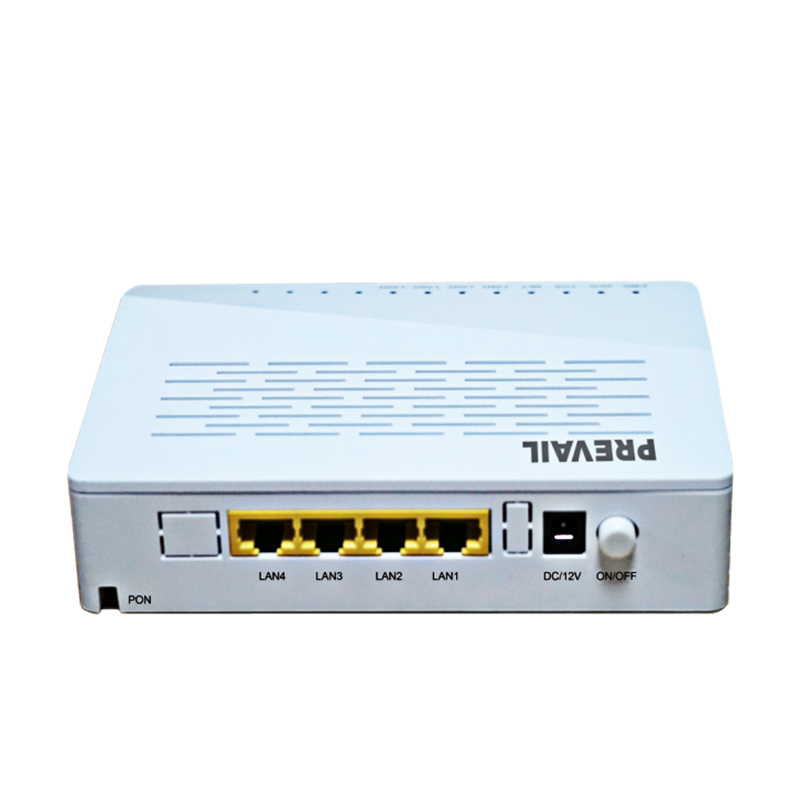
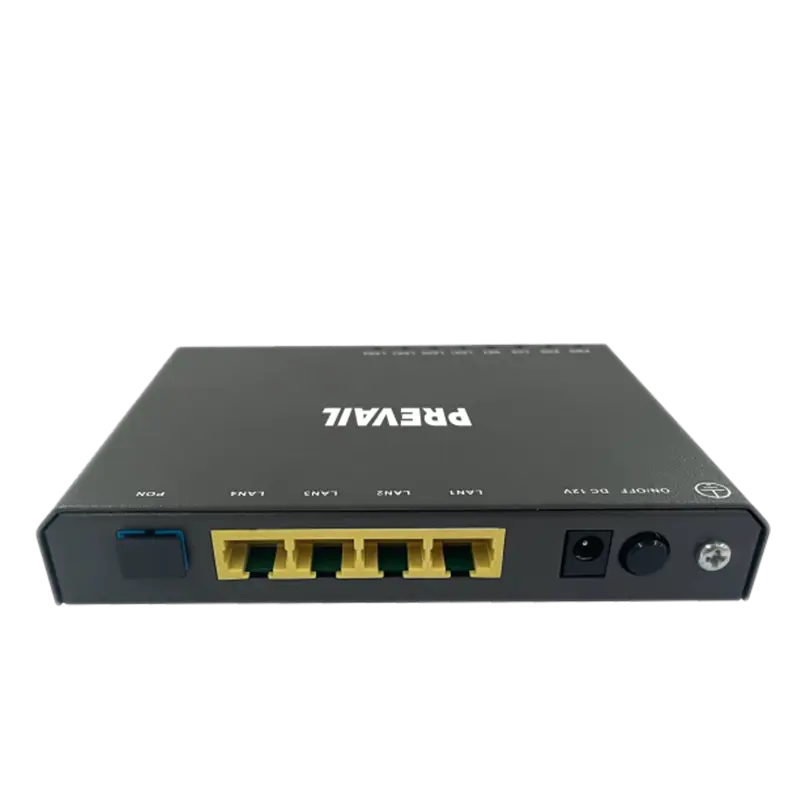
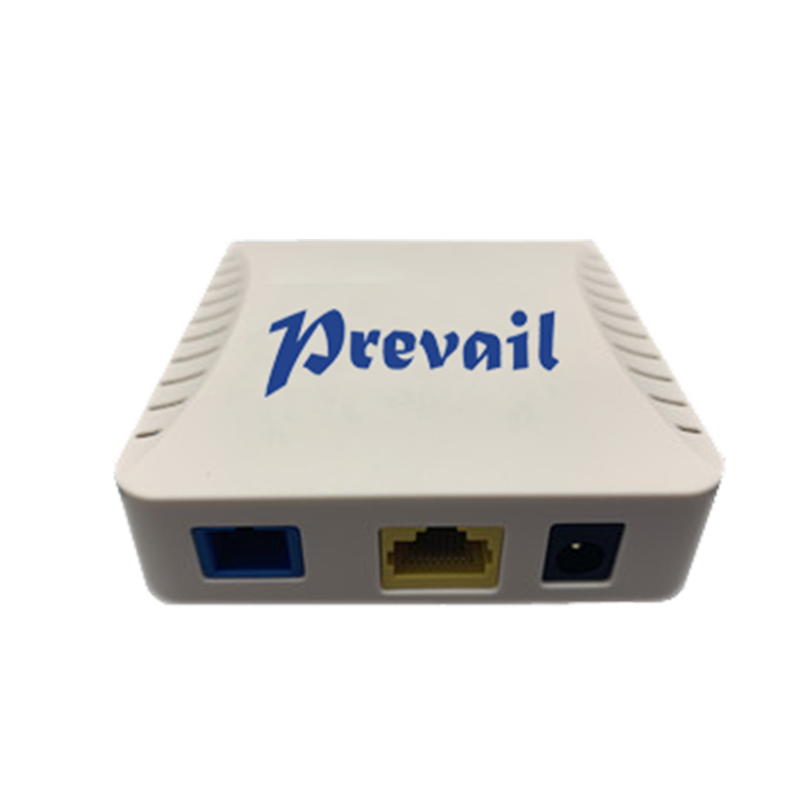
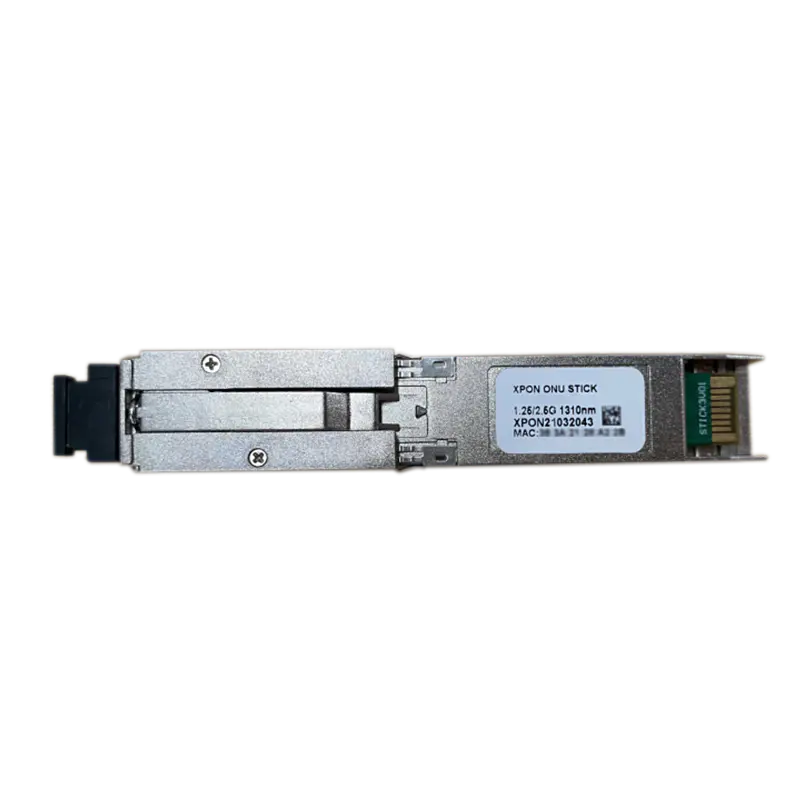
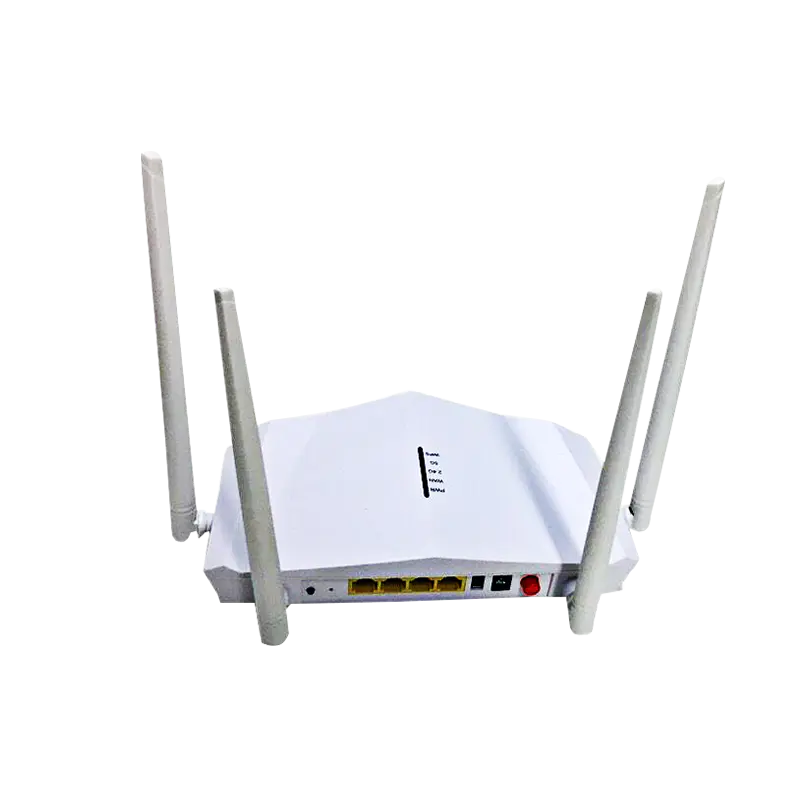
In GPON, a single optical fiber from the central office connects to passive optical splitters in the field. These splitters distribute the signal to multiple Optical Network Units (ONUs) or Optical Network Terminals (ONTs) at customer premises. Because splitters are passive, no electrical power is required in the distribution network, which simplifies field maintenance and improves reliability.
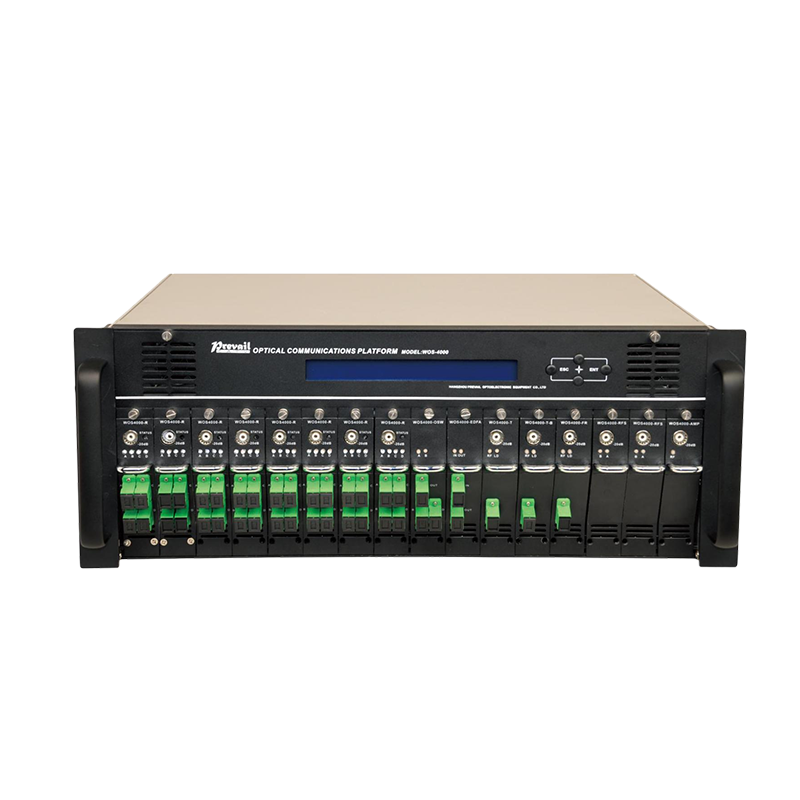
HFC Architecture
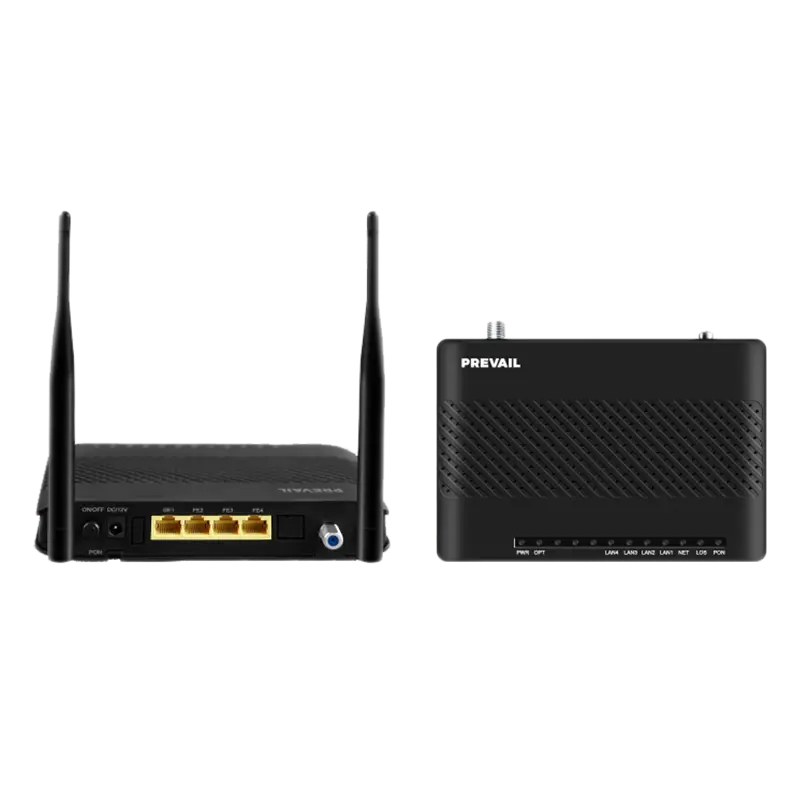
HFC transmission equipment uses fiber from the headend to neighborhood nodes, and then coaxial cable from the node to individual subscribers. The coaxial portion requires powered amplifiers and active components to boost and manage RF signals. This hybrid approach was originally designed for cable TV and later adapted for high-speed data using DOCSIS standards.
Transmission Medium and Signal Type
The physical medium and signal format directly affect performance and upgrade flexibility. GPON uses optical signals end-to-end, while HFC converts between optical and RF signals.
- GPON uses light pulses over single-mode fiber for both downstream and upstream traffic.
- HFC converts optical signals to RF at the fiber node, then distributes RF signals over coaxial cable.
Because GPON remains optical all the way to the customer, it benefits from lower attenuation, higher bandwidth potential, and greater resistance to electromagnetic interference. HFC’s coaxial segment is more susceptible to noise and signal degradation, especially in older or heavily loaded networks.
Bandwidth Capacity and Speed Capabilities
Bandwidth is one of the most practical differences for service providers and end users. GPON and HFC both support high-speed broadband, but their scaling characteristics differ.
GPON Bandwidth
Standard GPON typically supports 2.5 Gbps downstream and 1.25 Gbps upstream shared among users on a single PON segment. Newer variants such as XG-PON, XGS-PON, and 10G PON increase these speeds significantly, enabling symmetrical multi-gigabit services without changing the entire fiber plant.
HFC Bandwidth
HFC bandwidth is governed by DOCSIS standards. DOCSIS 3.0 and 3.1 support high downstream speeds, often exceeding 1 Gbps, but upstream capacity is typically more limited. DOCSIS 4.0 improves symmetrical performance, but often requires substantial upgrades to amplifiers, nodes, and coaxial plant.
Latency and Signal Quality
Latency and signal consistency are increasingly important for applications such as cloud computing, gaming, video conferencing, and industrial IoT. GPON generally provides lower and more stable latency because it avoids multiple active RF amplifiers and signal conversions.
HFC transmission equipment can introduce additional latency due to RF processing, shared coaxial segments, and noise mitigation techniques. While modern DOCSIS systems have reduced these gaps, GPON still tends to offer more predictable performance, especially in dense or aging cable networks.
Scalability and Future Upgrade Paths
Scalability is a major strategic factor for network operators. GPON is widely considered more future-proof due to its fiber-only infrastructure.
- GPON can be upgraded to higher-speed PON standards by replacing central office equipment and customer ONTs.
- HFC upgrades often require replacing or reconfiguring large portions of the coaxial plant and active field equipment.
This means GPON transmission equipment investments often have a longer usable life. HFC systems may face higher long-term upgrade costs as bandwidth demands continue to grow.
Power and Maintenance Requirements
GPON’s passive outside plant is one of its strongest operational advantages. Since splitters do not require power, there are fewer field components that can fail due to electrical or environmental issues.
HFC transmission equipment relies on powered nodes and amplifiers distributed throughout the network. These components increase maintenance workload, power consumption, and potential downtime during power outages unless backup systems are in place.
Deployment and Installation Considerations
Deployment strategies differ significantly between GPON and HFC. GPON often requires new fiber installation to each customer premise, which can be capital-intensive upfront but provides long-term benefits.
HFC transmission equipment is commonly deployed where existing coaxial cable infrastructure is already in place. This can reduce initial deployment costs and speed up service rollout, making HFC attractive for incremental upgrades in established cable markets.
Service Types and Application Suitability
Both GPON and HFC can support triple-play services including internet, voice, and video. However, certain applications favor one technology over the other.
- GPON is well-suited for symmetrical high-speed business services, cloud access, and enterprise connectivity.
- HFC is commonly used for residential broadband and cable TV where broadcast RF delivery is still important.
Cost Structure and Total Cost of Ownership
Initial capital expenditure and long-term operational costs differ between GPON and HFC transmission equipment. GPON may have higher initial fiber deployment costs, but lower operational expenses due to reduced power and maintenance needs.
HFC systems often benefit from lower upfront costs in areas with existing coaxial plant, but higher ongoing expenses related to powered equipment, field maintenance, and future capacity upgrades.
Security and Network Management
GPON uses encryption and logical separation at the protocol level to ensure that each user only receives their intended traffic. This is critical in a shared fiber environment.
HFC networks also implement security at the DOCSIS level, but shared coaxial segments can present additional challenges for noise management and signal leakage, which can indirectly impact security and service quality.
Comparison Table: GPON vs HFC Transmission Equipment
| Feature |
GPON |
HFC Transmission Equipment |
| Medium |
All-fiber |
Fiber + Coaxial |
| Outside Plant |
Passive |
Active (powered) |
| Upgrade Path |
Easy to scale to 10G+ |
Requires plant upgrades |
| Latency |
Lower |
Moderate |
Choosing Between GPON and HFC Transmission Equipment
The choice between GPON and HFC transmission equipment depends on existing infrastructure, budget constraints, service goals, and long-term strategy. GPON is generally preferred for greenfield deployments, enterprise connectivity, and regions planning for multi-gigabit future services.
HFC remains a practical solution for operators with large installed coaxial networks who want to extend service life while gradually upgrading capacity. Understanding these trade-offs helps ensure that investment decisions align with both current demand and future growth.


 English
 русский
 Español