What Should You Know About HD Encoder Series Headend Equipment?
What Is HD Encoder Series Headend Equipment?
HD encoder series headend equipment refers to a category of professional broadcast and cable television infrastructure devices that capture, compress, encode, and prepare high-definition video and audio signals for distribution across cable, IPTV, satellite, or over-the-top (OTT) networks. Positioned at the headend — the central signal processing facility of a cable or broadcast network — these encoder systems receive raw HD video inputs from sources such as cameras, satellite receivers, set-top boxes, or local content servers, and convert them into compressed digital transport streams that can be efficiently transmitted to large numbers of subscribers simultaneously.
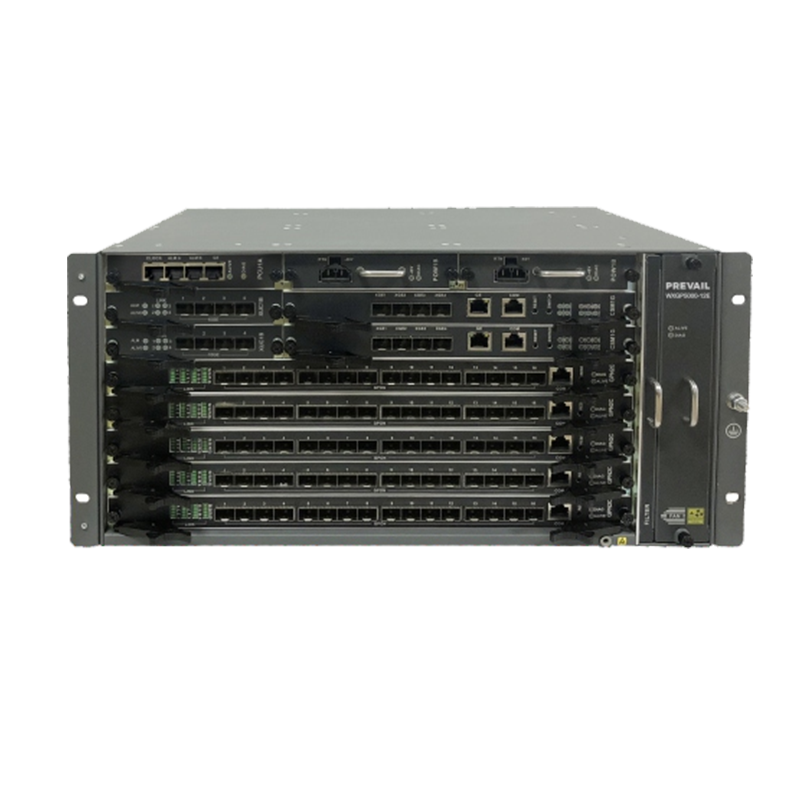
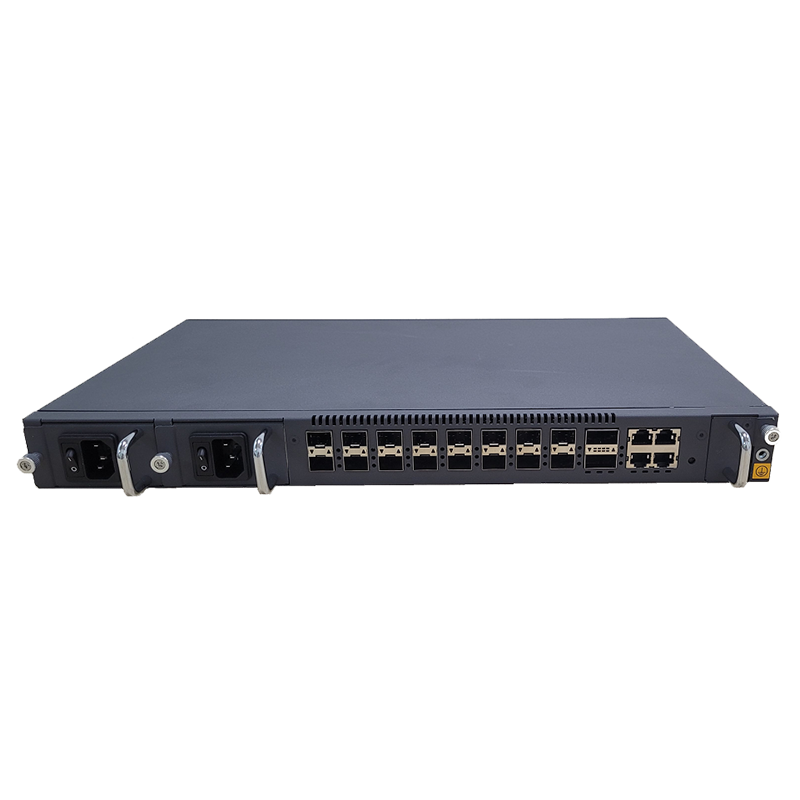
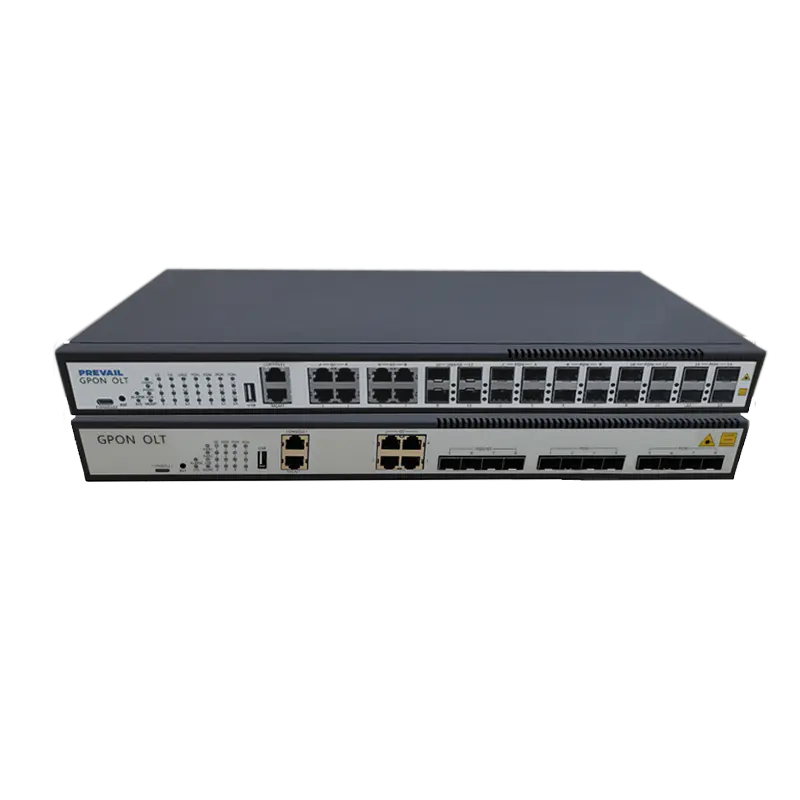
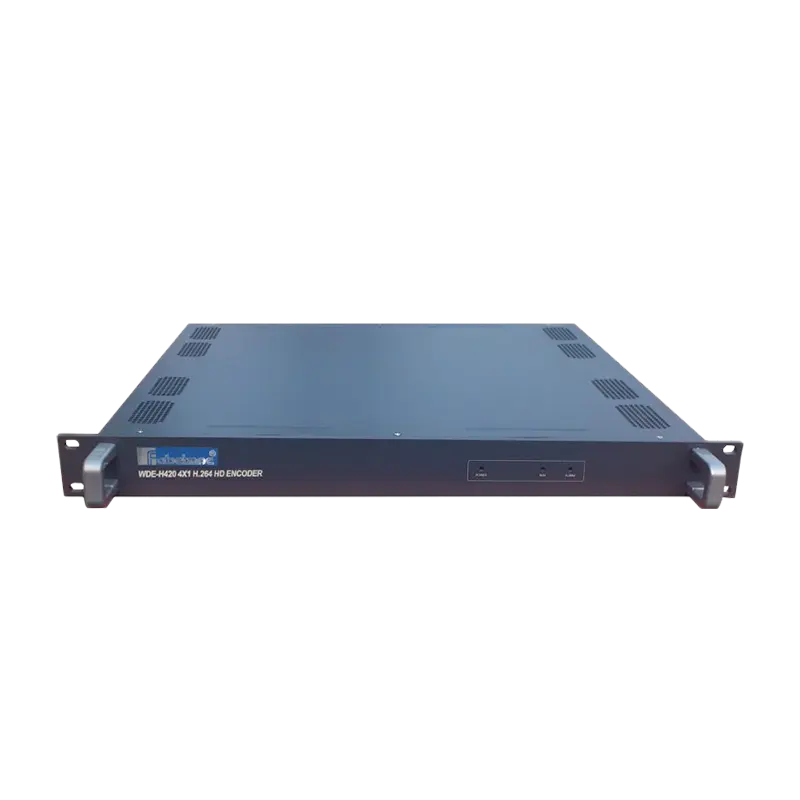
A headend encoder series typically encompasses multiple encoder units housed in rack-mount chassis, often designed for high-density deployment where dozens or hundreds of HD channels must be processed within a limited physical footprint. Modern HD encoder series products support a range of input formats including HDMI, SDI (Serial Digital Interface), component video, and composite analog signals, and output compressed streams in standard formats such as MPEG-2, H.264 (AVC), or H.265 (HEVC) encapsulated in MPEG-2 Transport Stream (TS) for downstream distribution equipment to modulate and transmit. The scalability, reliability, and signal quality of the encoder series directly determine the quality of service experienced by every subscriber on the network.
Core Functions of HD Headend Encoders
Understanding what HD headend encoders actually do inside a signal chain clarifies why their specifications matter so critically to network operators. These devices perform several tightly integrated functions in sequence, and the quality of each step compounds to determine the final subscriber viewing experience.
Signal Capture and Input Processing
The encoder's first task is to accept and digitize the incoming video signal with full fidelity. Professional HD headend encoders support multiple input interfaces simultaneously, with SDI being the primary professional broadcast standard due to its robust, impedance-matched coaxial connection that maintains signal integrity over cable runs up to 100 meters without amplification. HDMI inputs are commonly included for consumer-source content from set-top boxes, Blu-ray players, or gaming consoles. High-quality encoders include automatic input detection, format conversion, and synchronization circuitry that handles timing irregularities in source signals without introducing artifacts into the encoded output.
Video Compression and Encoding
Compression is the central and most computationally intensive function of the headend encoder. Raw 1080i HD video at standard broadcast specifications generates data rates exceeding 1.5 Gbps — far too high for practical network distribution. The encoder applies a compression codec (such as H.264 or H.265) to reduce this to practical delivery bitrates of 2–8 Mbps for HD content, achieving compression ratios of 200:1 or greater while preserving acceptable perceptual quality. The encoding algorithms analyze each video frame, identify spatial redundancy within frames (intra-frame compression) and temporal redundancy between consecutive frames (inter-frame compression), and discard perceptually insignificant information in a controlled manner governed by the target bitrate and quality settings configured by the operator.
Audio Encoding and Multiplexing
HD headend encoders process audio tracks alongside video, supporting formats including MPEG-1 Layer II, AAC, AC-3 (Dolby Digital), and in advanced systems, Dolby Digital Plus (E-AC-3) for surround sound delivery. Multiple audio tracks can be encoded and multiplexed into the transport stream simultaneously — enabling bilingual broadcasts, audio description services for visually impaired viewers, and discrete 5.1 surround sound channels. The encoder also inserts PSI/SI (Program Specific Information / Service Information) tables into the transport stream that identify the program content, enabling downstream equipment and subscriber set-top boxes to correctly parse and present the channel lineup.
Codec Comparison: MPEG-2 vs H.264 vs H.265 in Headend Systems
The codec supported by an HD encoder series is one of the most consequential specifications for network operators, determining bandwidth efficiency, subscriber device compatibility, and infrastructure investment requirements. Each generation of video compression standard offers significant efficiency improvements over its predecessor but requires corresponding upgrades in encoding hardware and subscriber reception equipment.
| Codec |
Typical HD Bitrate |
Compression Efficiency |
Device Compatibility |
Best Use Case |
| MPEG-2 |
8–15 Mbps |
Baseline |
Universal (legacy STBs) |
Legacy cable/satellite networks |
| H.264 (AVC) |
3–8 Mbps |
~2× MPEG-2 |
Very broad (modern STBs, smart TVs) |
IPTV, cable, OTT streaming |
| H.265 (HEVC) |
1.5–4 Mbps |
~2× H.264 |
Modern devices (2015+) |
4K UHD, bandwidth-constrained networks |
Most current HD encoder series products support H.264 as the primary codec, with H.265 support increasingly standard in mid-range and high-end systems. For operators with a significant installed base of older MPEG-2-only set-top boxes, encoders that support simultaneous or switchable MPEG-2 output provide an important migration pathway. Networks that have fully transitioned to modern subscriber equipment gain substantial bandwidth capacity — effectively doubling their channel capacity per transponder or downstream channel by migrating from H.264 to H.265 encoding at equivalent quality levels.
Key Technical Specifications to Evaluate
Selecting the right HD encoder series for a headend installation requires systematic evaluation of technical specifications across several dimensions. The following parameters most directly determine whether an encoder series will meet the operational requirements of a specific network deployment.
Channel Density and Rack Efficiency
Channel density — the number of HD encoding channels accommodated per rack unit (1U = 44.45mm) of headend rack space — is a critical operational metric for cable operators and IPTV providers managing large channel lineups in constrained facility spaces. Entry-level standalone HD encoders typically provide 1–4 channels per 1U chassis. High-density encoder series designed for professional headend environments achieve 8, 16, or even 32 HD encoding channels in a single 1U or 2U chassis by integrating multiple encoding ASICs and shared power and cooling infrastructure. This density directly translates into capital expenditure efficiency, power consumption per channel, and the number of rack units required to build out the full headend channel capacity.
Bitrate Range and Rate Control
Professional HD encoders must support a wide output bitrate range — typically 0.5 Mbps to 20 Mbps per channel — with both Constant Bitrate (CBR) and Variable Bitrate (VBR) rate control modes. CBR mode maintains a fixed output bitrate regardless of scene complexity, simplifying downstream multiplexing and modulation planning but potentially wasting bandwidth on low-complexity content. VBR mode allocates bitrate dynamically based on scene complexity, improving average quality at a given mean bitrate but requiring Statistical Multiplexing (StatMux) capability at the multiplexer level to aggregate variable-rate streams efficiently. Advanced encoder series include integrated StatMux functionality that coordinates bitrate allocation across multiple channels simultaneously, optimizing the total bandwidth consumption of a multiplex.
Latency Performance
Encoding latency — the delay introduced between the input video signal and the compressed output transport stream — ranges from under 100 milliseconds in low-latency encoder modes to several seconds in high-quality two-pass or look-ahead encoding configurations. For live broadcast and sports content where synchronization between video commentary and on-screen action is critical, low-latency encoding modes are essential. For pre-recorded or time-delayed content distribution where quality optimization takes priority over latency, higher-latency encoding modes that allow the encoder to analyze future frames before making compression decisions deliver perceptibly superior image quality at equivalent bitrates.
Output Interfaces and Network Integration
The output connectivity of an HD encoder series determines how it integrates into the broader headend signal chain and what downstream distribution infrastructure it supports. Modern professional encoders provide multiple output interface options to accommodate diverse network architectures.
- ASI (Asynchronous Serial Interface): The traditional coaxial output standard for MPEG-2 transport streams in cable and satellite headend environments. ASI outputs connect directly to QAM modulators, satellite uplink equipment, and DVB multiplexers. Still widely used in established headend infrastructure despite being gradually displaced by IP-based connectivity.
- IP Output (UDP/RTP over Ethernet): Gigabit Ethernet IP output delivering transport streams as UDP unicast or multicast packets is now standard on all professional HD encoder series. IP output connects directly to IPTV middleware platforms, CDN edge servers, OTT packaging systems, and IP-based QAM modulator banks, supporting modern all-IP headend architectures that eliminate dedicated ASI cabling infrastructure.
- HLS/DASH Streaming Output: Advanced encoder series include integrated HTTP Live Streaming (HLS) and MPEG-DASH adaptive bitrate output for direct OTT delivery to browsers, mobile devices, and smart TVs without requiring a separate transcoding or packaging server. This capability enables broadcasters and operators to launch OTT streaming services directly from the headend encoder without additional infrastructure investment.
- RTMP/RTSP Output: Real-Time Messaging Protocol and Real-Time Streaming Protocol outputs are supported by many encoder series for live streaming to CDN platforms, social media streaming services, and legacy streaming server infrastructure. RTMP output is particularly common in encoders targeting hybrid broadcast-to-streaming workflows.
Management, Monitoring, and Redundancy Features
In a professional headend environment where continuous 24/7 operation is expected and service interruptions directly impact subscriber satisfaction and regulatory compliance, the management and redundancy capabilities of the encoder series are as important as its encoding performance specifications.
Centralized Management Systems
Professional HD encoder series products include web-based management interfaces accessible via standard browsers, SNMP (Simple Network Management Protocol) support for integration with network management systems, and in many cases dedicated element management software that provides a unified dashboard for configuring and monitoring all encoder units across the headend from a single interface. Remote management capabilities are essential for operators managing multiple headend sites, allowing configuration changes, firmware updates, and fault diagnosis to be performed without physical site visits. RESTful API access is increasingly available on modern encoder platforms, enabling integration with automated provisioning systems and network orchestration tools.
Input Redundancy and Failover
High-availability encoder series support dual redundant inputs with automatic failover — if the primary input signal fails or falls below quality thresholds, the encoder automatically switches to the backup input within milliseconds without producing visible artifacts in the encoded output. This input redundancy is standard practice for live news, sports, and premium channel encoding where any input interruption would be immediately visible to subscribers. Some encoder series extend this capability to full encoder redundancy, where a standby encoder unit monitors the primary encoder and takes over the encoding function automatically if the primary unit fails — protecting against hardware failures as well as signal path issues.
How to Choose the Right HD Encoder Series for Your Network
Selecting the correct HD encoder series for a specific headend deployment requires matching product capabilities to the operational requirements, existing infrastructure, and growth plans of the network. The following criteria provide a structured framework for the evaluation and selection process.
- Channel count and scalability: Define the immediate channel count requirement and the projected growth over a 3–5 year horizon. Select an encoder series with a chassis and licensing architecture that supports cost-effective capacity expansion without requiring complete hardware replacement as channel counts grow.
- Codec roadmap alignment: If the subscriber device base will support H.265 within the deployment timeframe, prioritize encoder series with native HEVC encoding rather than purchasing H.264-only systems that will require replacement or supplementation as the network migrates to higher compression efficiency standards.
- Distribution network architecture: Confirm whether the downstream distribution infrastructure uses ASI-based QAM modulators, IP-based modulator banks, or a direct-to-OTT delivery model, and ensure the selected encoder series provides the corresponding output interfaces natively without requiring additional format conversion equipment.
- Input source types: Audit the signal sources feeding the headend — satellite receiver outputs, studio SDI feeds, HDMI consumer devices — and verify that the encoder series supports all required input types and resolutions, including mixed-resolution environments where SD and HD sources must be processed by the same platform.
- Vendor support and firmware longevity: For headend equipment with expected deployment lifespans of 7–10 years, evaluate the vendor's track record for firmware support, codec update availability, and long-term spare parts availability. Encoder series from established broadcast equipment manufacturers with documented support commitments carry significantly lower long-term operational risk than lower-cost alternatives from vendors with uncertain product continuity.
- Total cost of ownership: Include power consumption per channel, rack space cost, licensing fees for codec updates or feature unlocks, and management software costs in the total cost of ownership comparison — not just the upfront hardware purchase price. High-density, energy-efficient encoder series frequently deliver lower total cost of ownership over a 5-year period despite higher initial unit costs compared to lower-density alternatives.


 English
 русский
 Español