English
 русский
 Español
News
Home / News / Industry News / What Is HFC Optical Platform Transmission Equipment and How Does It Work?

Welcome to Prevail Website! Optical Communication Equipment Manufacturers and Suppliers in China

Content
Hybrid Fiber-Coaxial (HFC) transmission technology represents a sophisticated telecommunications infrastructure that combines optical fiber and coaxial cable networks to deliver high-bandwidth services to end users. This hybrid approach leverages the superior long-distance transmission capabilities of fiber optics while utilizing the established coaxial cable infrastructure for the final connection to subscribers. The optical platform series within HFC systems serves as the critical backbone, converting electrical signals to optical signals for efficient transmission across fiber networks before reconversion at distribution points.
The significance of HFC transmission equipment lies in its ability to support modern broadband demands while maximizing existing infrastructure investments. Cable operators worldwide have adopted HFC architecture as their primary delivery method for internet, television, and voice services, making it one of the most prevalent broadband technologies globally. The optical platform components within these systems determine overall network performance, reliability, and scalability. Understanding how these platforms function, their technical specifications, and implementation considerations is essential for network engineers, service providers, and organizations planning telecommunications infrastructure upgrades or deployments.
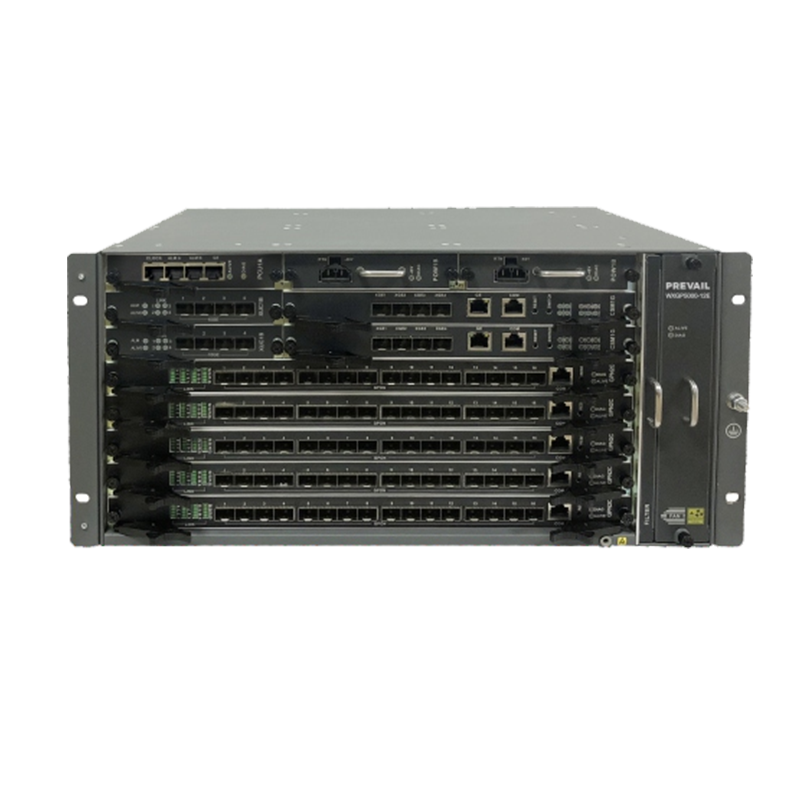
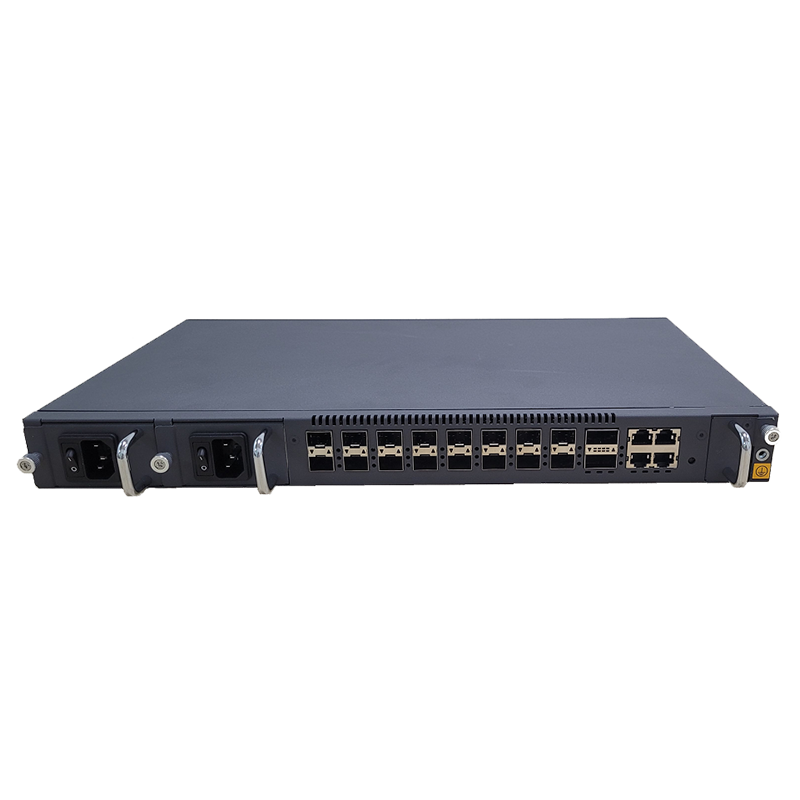
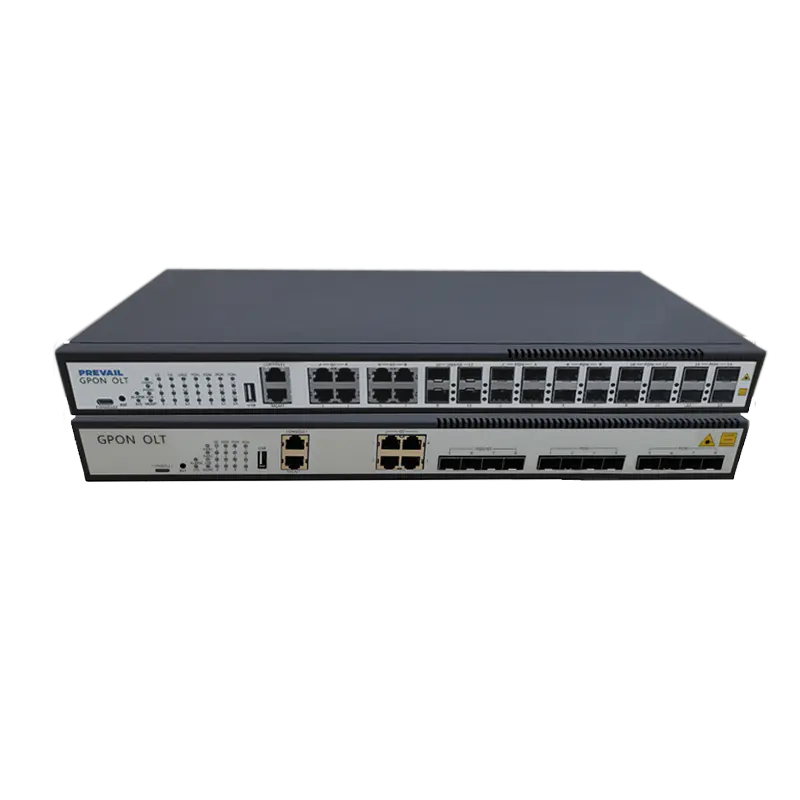
The optical platform in HFC transmission equipment comprises several interconnected components working in concert to ensure reliable signal transmission. Each element plays a specific role in the signal conversion, amplification, and distribution process that enables high-quality service delivery across extensive geographic areas.
Optical transmitters serve as the entry point for signals into the fiber network, converting electrical RF signals from the headend into optical signals for fiber transmission. Modern HFC optical platforms typically employ Distributed Feedback (DFB) lasers operating at 1550nm wavelength, chosen for their superior performance characteristics including low chirp, narrow linewidth, and excellent temperature stability. These lasers offer significant advantages over older Fabry-Perot laser technology, particularly in systems requiring long transmission distances or dense wavelength division multiplexing capabilities. The transmitter modules incorporate automatic power control circuits, thermal management systems, and monitoring interfaces that enable remote performance tracking and diagnostic capabilities essential for maintaining service quality across distributed networks.
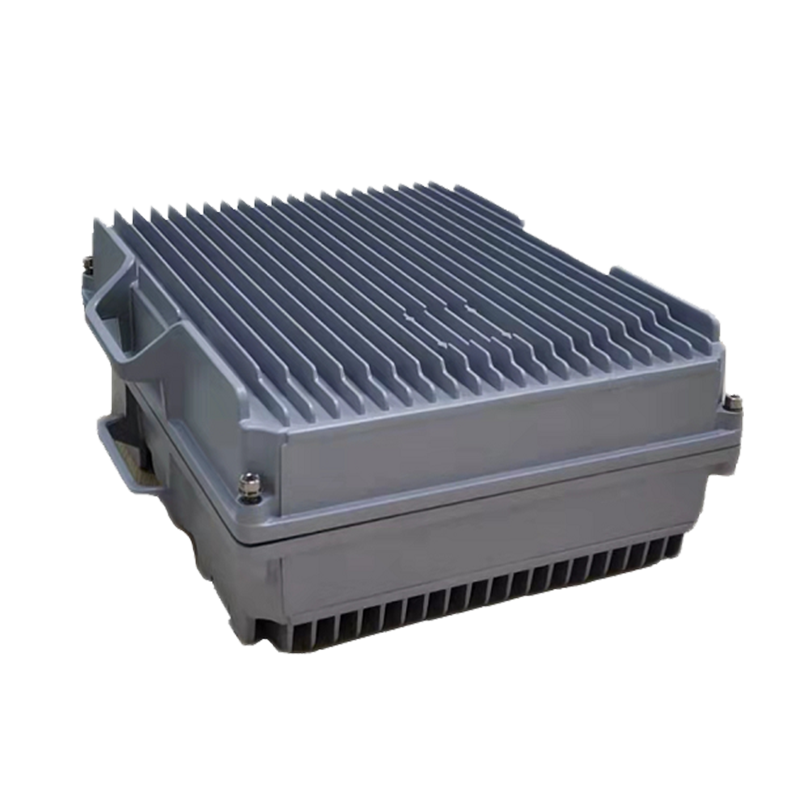
At the receiving end of the optical link, optical receivers convert incoming optical signals back into electrical RF signals for distribution through the coaxial network. High-performance receivers utilize PIN photodiodes or avalanche photodiodes (APD) depending on link budget requirements and distance considerations. The receiver design critically impacts system noise figure, which directly affects the carrier-to-noise ratio experienced by subscribers. Advanced receiver platforms incorporate automatic gain control, wide dynamic range capabilities, and sophisticated equalization circuits to compensate for fiber transmission impairments. Temperature-compensated designs ensure consistent performance across varying environmental conditions, particularly important for outdoor node deployments in challenging climates.
For extended reach applications or systems serving large geographic areas, optical amplifiers become necessary components within the transmission platform. Erbium-Doped Fiber Amplifiers (EDFA) operating in the 1550nm window provide cost-effective amplification for long-haul fiber links without requiring electrical regeneration. These amplifiers boost optical signal strength while maintaining signal quality, enabling transmission distances exceeding 100 kilometers in well-designed systems. The amplifier platforms include integrated monitoring capabilities, automatic level control, and protection switching features that ensure network resilience and simplified maintenance operations.
Understanding the technical specifications of optical platform HFC equipment is crucial for proper system design, troubleshooting, and optimization. These parameters define the operational boundaries and performance capabilities that directly impact service quality and network reliability.
| Parameter | Typical Range | Significance |
| Operating Wavelength | 1550nm ± 10nm | Determines fiber compatibility and transmission characteristics |
| Optical Output Power | +3 to +16 dBm | Affects maximum transmission distance and splitting ratio |
| Receiver Sensitivity | -6 to +2 dBm | Defines minimum signal level for acceptable performance |
| Composite Triple Beat (CTB) | -65 dBc or better | Measures non-linear distortion affecting video quality |
| Carrier-to-Noise Ratio (CNR) | 51 dB minimum | Determines signal quality and modulation scheme support |
| Return Path Capability | 5-204 MHz | Enables upstream data transmission from subscribers |
The composite triple beat specification deserves particular attention as it directly impacts the number of analog video channels the system can reliably support. Lower CTB values indicate better linearity and reduced interference between channels. Modern optical platforms achieving -65 dBc or better can support full channel loading in typical cable television applications. Similarly, the carrier-to-noise ratio fundamentally determines the highest-order modulation schemes the network can employ, with higher CNR values enabling more spectrally efficient modulations like 256-QAM or 1024-QAM used in DOCSIS 3.1 and beyond.
Effective deployment of optical platform HFC transmission equipment requires careful consideration of network architecture, geographic constraints, subscriber density, and service requirements. The architecture choices made during initial deployment significantly impact long-term operational costs, upgrade flexibility, and service capabilities.
The traditional HFC architecture employs a hub-and-node topology where optical transmitters at the headend or hub location feed multiple fiber nodes distributed throughout the service area. Each node serves a defined subscriber group, typically ranging from 250 to 2000 homes passed depending on service density and capacity requirements. The optical platform at the hub combines signals for all downstream services including broadcast video, narrowcast video, and high-speed data channels. These combined signals travel over dedicated fiber strands to optical receivers at each node location, where conversion to RF occurs for distribution over coaxial infrastructure. This architecture provides operational advantages including centralized monitoring, simplified maintenance access, and efficient spectrum utilization across the entire serving area.
As bandwidth demands increase and network operators pursue higher service tiers, node segmentation becomes an essential strategy. This involves reducing the number of subscribers served by each optical node, thereby increasing the available bandwidth per home. Advanced optical platforms support flexible segmentation through wavelength division multiplexing, allowing multiple virtual nodes to operate over shared fiber infrastructure. Fiber deep architectures take this concept further by extending fiber closer to subscribers, sometimes reaching individual buildings or small cluster serving areas. These strategies require optical platforms with higher port density, more sophisticated wavelength management capabilities, and enhanced monitoring systems to maintain visibility across increasingly distributed architectures.
Modern optical platform series for HFC transmission incorporate numerous advanced features that enhance performance, reliability, and operational efficiency beyond basic signal conversion functions.
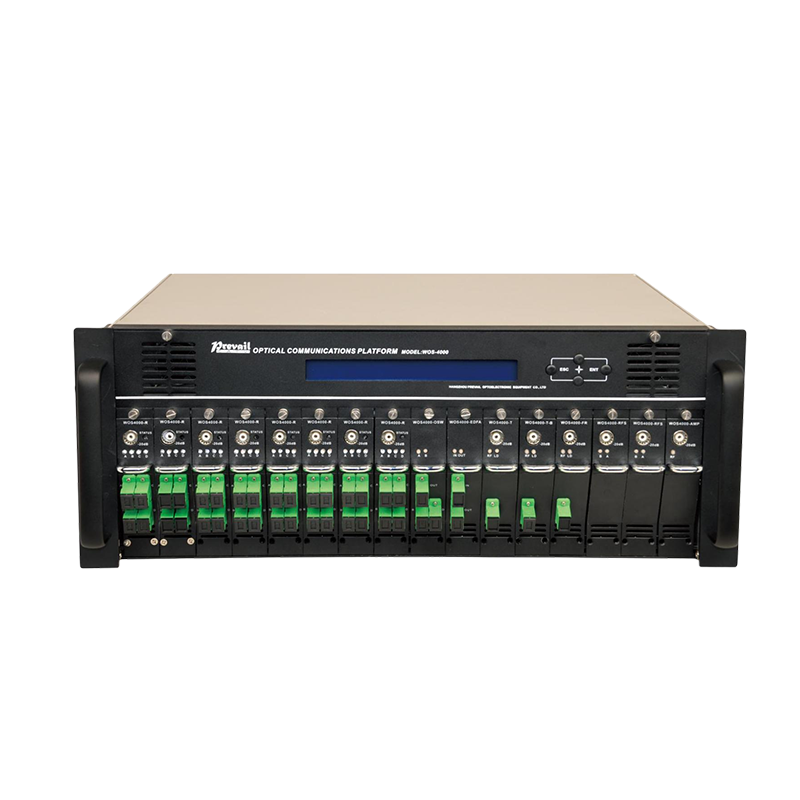
Proper installation and commissioning procedures are critical for achieving specified performance from optical platform HFC equipment. Even premium equipment will underperform if installation practices introduce avoidable impairments or fail to optimize system parameters.
Fiber preparation and connector installation demand meticulous attention to cleanliness and proper technique. Contamination on fiber end-faces represents the leading cause of optical link degradation, introducing insertion loss and back reflection that degrade system performance. Technicians must use approved cleaning methods, inspect all connections with fiber microscopes before mating, and document optical power readings at critical points throughout the optical path. Establishing baseline performance measurements during initial installation provides essential reference data for future troubleshooting and performance trend analysis.
Optical power budget calculations must account for all passive components in the transmission path including fiber attenuation, splice losses, connector losses, and any optical splitters or wavelength multiplexers. Conservative budget planning includes margin for fiber aging, connector degradation, and future network reconfiguration that might add loss. Industry best practices recommend maintaining at least 3 dB of margin beyond calculated link budget requirements to ensure long-term reliability and accommodate unforeseen events.
RF performance verification requires specialized test equipment capable of measuring critical parameters including frequency response, composite distortion products, carrier-to-noise ratio, and return path characteristics. Sweeping the entire downstream and upstream spectrum identifies potential issues with equalizers, amplifier slopes, or ingress sources before they impact service quality. Documentation of as-built performance establishes accountability and provides valuable diagnostic information when troubleshooting future issues.
Effective maintenance programs for optical platform HFC transmission equipment combine preventive measures, proactive monitoring, and systematic troubleshooting approaches. Regular preventive maintenance should include periodic optical power measurements at test points throughout the network, comparison against baseline readings to identify degradation trends, physical inspection of outdoor enclosures for environmental intrusion or damage, and verification that monitoring systems accurately report equipment status.
When performance issues arise, systematic troubleshooting begins with isolating whether problems originate in the optical transmission platform, the coaxial distribution network, or subscriber equipment. Monitoring system data provides initial indications, showing whether optical power levels remain within specification, laser bias currents indicate normal operation, and receiver RF output levels match expected values. Physical layer testing may involve temporarily bypassing suspect equipment, swapping modules between working and non-working paths to determine if issues follow components, or injecting test signals to verify signal path integrity.
Common failure modes in optical platforms include laser degradation characterized by increasing bias current and decreasing output power, receiver noise figure degradation from photodiode aging or circuit component failures, and environmental issues such as water intrusion causing corrosion or temperature extremes stressing electronic components. Understanding these typical failure patterns helps technicians efficiently diagnose problems and implement appropriate corrective actions. Maintaining spare modules for critical optical platform components enables rapid service restoration while detailed root cause analysis and repair occur offline.
The optical platform technology underpinning HFC transmission continues evolving to support increasing bandwidth demands and new service paradigms. Several significant trends are shaping the next generation of these systems and influencing network operator planning decisions.
Coherent optics technology, previously limited to long-haul telecommunications applications due to cost and complexity, is becoming viable for HFC access networks. Coherent transmission enables dramatically higher spectral efficiency and improved receiver sensitivity compared to traditional direct detection systems. This technology facilitates extended reach applications, higher-order modulation schemes, and more efficient wavelength utilization in WDM systems. As component costs decline through volume production and integration advances, coherent optics may become standard in next-generation optical platforms.
The transition toward distributed access architectures represents another significant trend, with intelligence and processing moving closer to subscribers rather than remaining centralized at headends. This evolution requires optical platforms supporting lower-latency transmission, precise timing distribution for coordinated multipoint operations, and flexible capacity allocation responding to real-time demand patterns. Remote PHY and Remote MACPHY architectures exemplify this trend, fundamentally changing how optical platforms integrate with other network elements.
Software-defined networking principles are increasingly applied to optical layer management, enabling dynamic reconfiguration of wavelength assignments, automated protection switching, and predictive maintenance based on machine learning analysis of performance trends. These capabilities transform optical platforms from static infrastructure into programmable resources that optimize themselves based on traffic patterns, service requirements, and network conditions. The convergence of optical transmission with software intelligence creates opportunities for operational efficiency improvements and new service capabilities that were previously impractical or impossible to implement.
top

E-mail:[email protected]

Telphone:+86-15967387077

FAX:+86-0571-82554407

Phone:+86-15967387077
QR code on
mobile phone