What Are the Key Advantages of Using an Outdoor Bidirectional Optical Receiver?
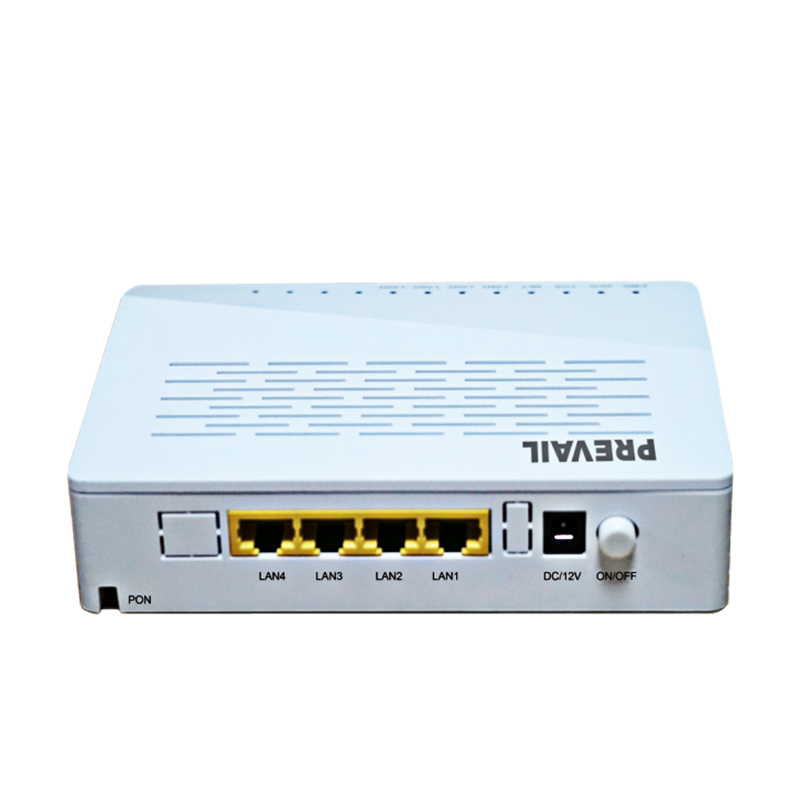
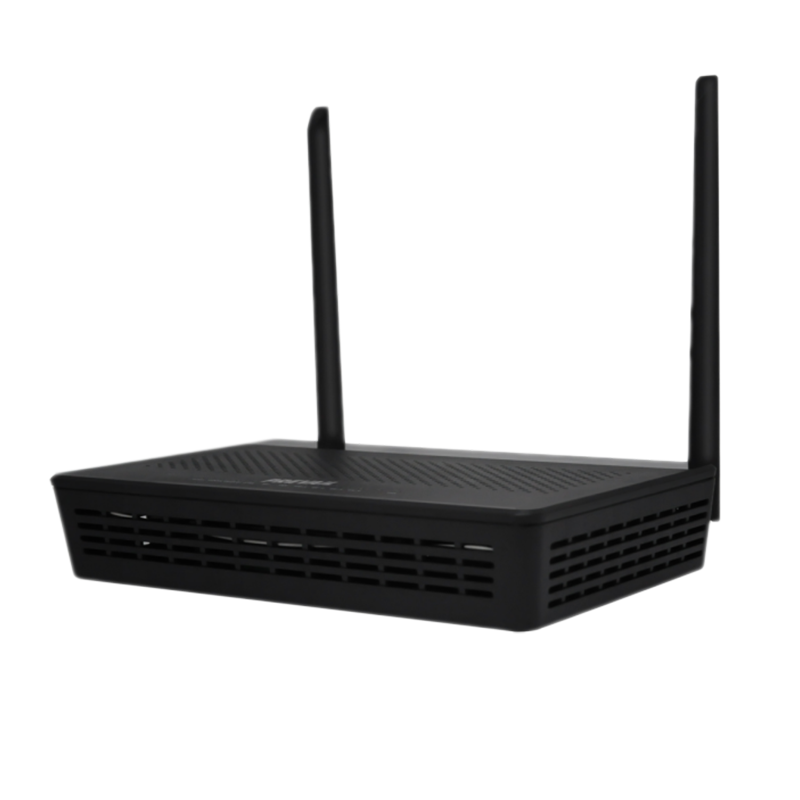
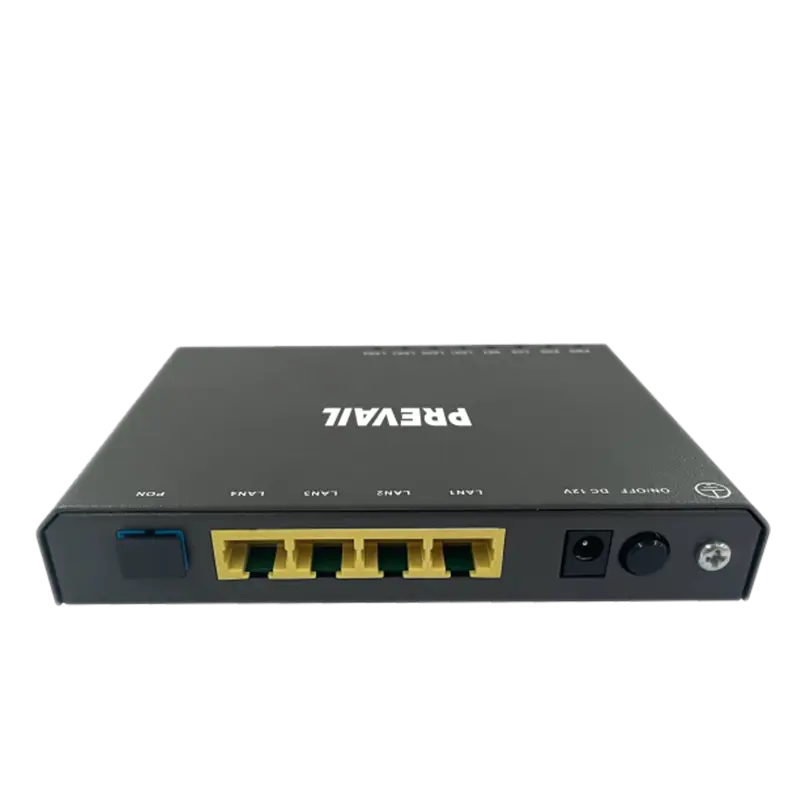
Outdoor bidirectional optical receivers are critical components in modern fiber optic communication networks. Designed to operate in harsh environmental conditions, these devices allow for efficient two-way data transmission over optical fibers. Unlike unidirectional receivers, bidirectional optical receivers can simultaneously send and receive optical signals, effectively doubling network efficiency without requiring additional fibers. This technology is widely used in telecommunications, broadband networks, and industrial automation systems.
Core Advantages of Bidirectional Optical Receivers
Bidirectional optical receivers offer numerous advantages over traditional unidirectional systems, particularly in outdoor applications where reliability and performance are critical. The following sections highlight these key benefits.
Efficient Use of Fiber Infrastructure
One of the primary advantages of outdoor bidirectional optical receivers is the efficient use of existing fiber infrastructure. By transmitting signals in both directions over a single fiber, network operators can reduce the number of fibers needed for communication. This results in cost savings on cable installation and maintenance while maximizing the capacity of existing networks.
High-Speed Data Transmission
These receivers are engineered to support high-speed data transmission, meeting the growing demands of modern communication networks. High bandwidth capabilities allow for the rapid transfer of large data volumes, which is essential for applications such as video streaming, cloud computing, and real-time industrial monitoring.
Robust Outdoor Performance
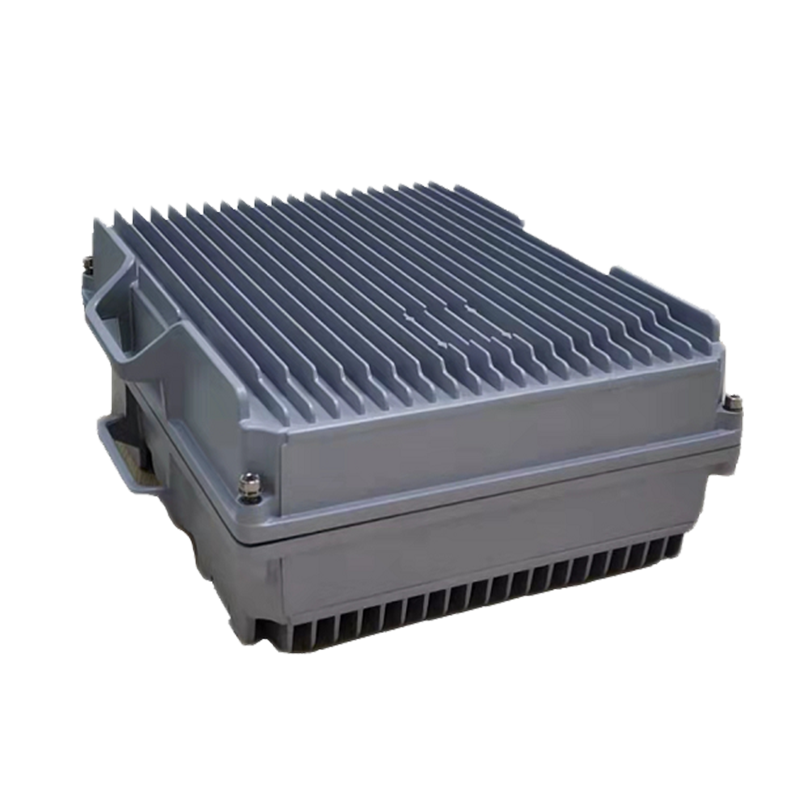
Outdoor bidirectional optical receivers are specifically designed to withstand extreme environmental conditions, including temperature fluctuations, moisture, dust, and UV exposure. Their rugged housing and protective coatings ensure stable performance in harsh outdoor environments, reducing downtime and maintenance requirements.
Simplified Network Design
The integration of bidirectional capability simplifies network design by minimizing the need for complex cabling and additional optical components. This streamlined approach not only reduces installation time and cost but also improves network reliability by decreasing potential points of failure.
Technical Features That Enhance Reliability
Modern outdoor bidirectional optical receivers incorporate a range of technical features that ensure reliable and consistent operation in demanding environments.
Automatic Gain Control (AGC)
AGC technology maintains a stable output signal even when the input optical signal fluctuates. This ensures consistent data transmission quality and prevents errors, particularly in long-distance applications where signal attenuation can occur.
Optical Signal Amplification
Many outdoor bidirectional receivers include integrated optical amplifiers to strengthen weak incoming signals. Amplification improves signal-to-noise ratio, extending transmission distances without the need for additional repeaters or network components.
Wide Temperature Range Operation
These receivers are built to function in extreme temperature ranges, from sub-zero conditions to high-heat environments. This capability ensures continuous operation in outdoor installations regardless of seasonal or geographic variations.
Applications of Outdoor Bidirectional Optical Receivers
Outdoor bidirectional optical receivers are versatile and can be applied in numerous industries where reliable two-way communication is essential.
Telecommunications
Telecom providers utilize bidirectional optical receivers in fiber-to-the-home (FTTH) networks to deliver high-speed internet, voice, and video services over a single fiber. This reduces infrastructure costs and improves service quality for subscribers.
Industrial Automation
In industrial environments, these receivers support real-time monitoring and control of machinery across large facilities. Reliable bidirectional communication enables efficient data acquisition, remote control, and predictive maintenance.
Smart Cities and IoT Networks
Smart city applications, such as intelligent traffic management and environmental monitoring, benefit from the high-speed, reliable communication provided by outdoor bidirectional optical receivers. They facilitate seamless data exchange between sensors, controllers, and cloud platforms.
Broadcasting and Multimedia Transmission
Broadcast networks and multimedia transmission systems rely on bidirectional optical receivers for live video and audio streaming. These devices ensure low latency and high-quality signal integrity, critical for professional broadcasting applications.
Installation and Maintenance Considerations
Proper installation and maintenance are crucial to maximize the lifespan and performance of outdoor bidirectional optical receivers. Following manufacturer guidelines and best practices ensures reliable operation over time.
Optimal Placement
Install receivers in locations that minimize exposure to direct sunlight, excessive moisture, and physical damage. Proper placement reduces thermal stress and environmental degradation.
Regular Cleaning and Inspection
Dust, debris, and water accumulation on connectors can impair performance. Routine cleaning and inspection of optical connectors and protective housings prevent signal loss and maintain optimal functionality.
Monitoring Signal Quality
Continuous monitoring of signal strength and quality helps detect issues early, such as fiber attenuation or equipment degradation. This proactive approach minimizes network downtime and improves overall reliability.
Conclusion
Outdoor bidirectional optical receivers provide substantial benefits for modern communication networks, including efficient fiber usage, high-speed data transmission, and robust performance in challenging environments. Their advanced technical features, versatile applications, and reliability make them indispensable for telecommunications, industrial automation, smart city infrastructures, and multimedia broadcasting. By investing in high-quality bidirectional optical receivers and following proper installation and maintenance practices, organizations can ensure optimal network performance, reduced operational costs, and long-term sustainability.
 English
 русский
 Español