English
 русский
 Español
News
Home / News / Industry News / What are the key advantages of using a field optical receiver in outdoor installations?

Welcome to Prevail Website! Optical Communication Equipment Manufacturers and Suppliers in China

Content
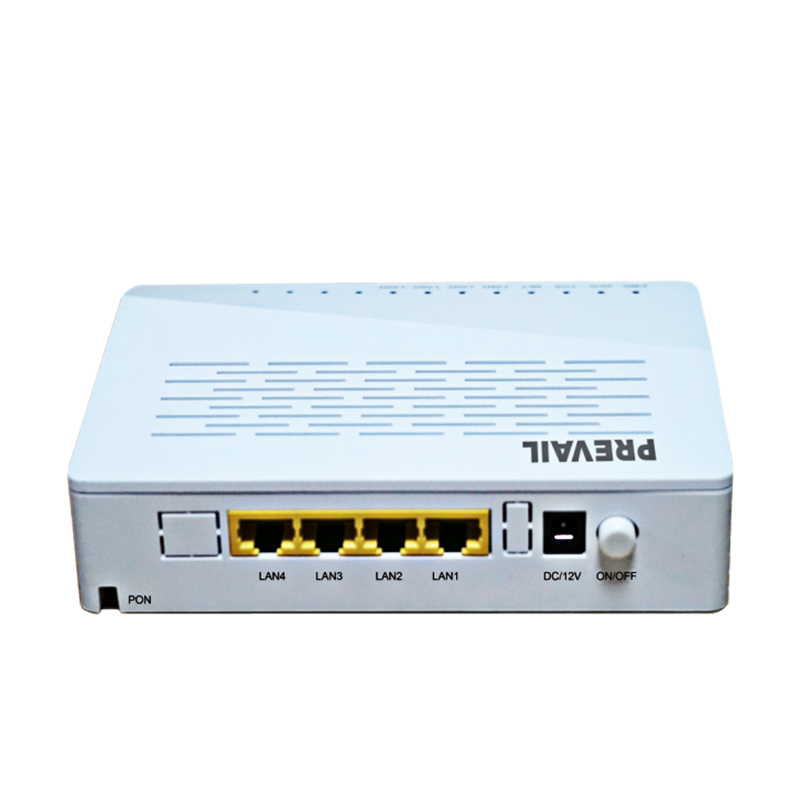
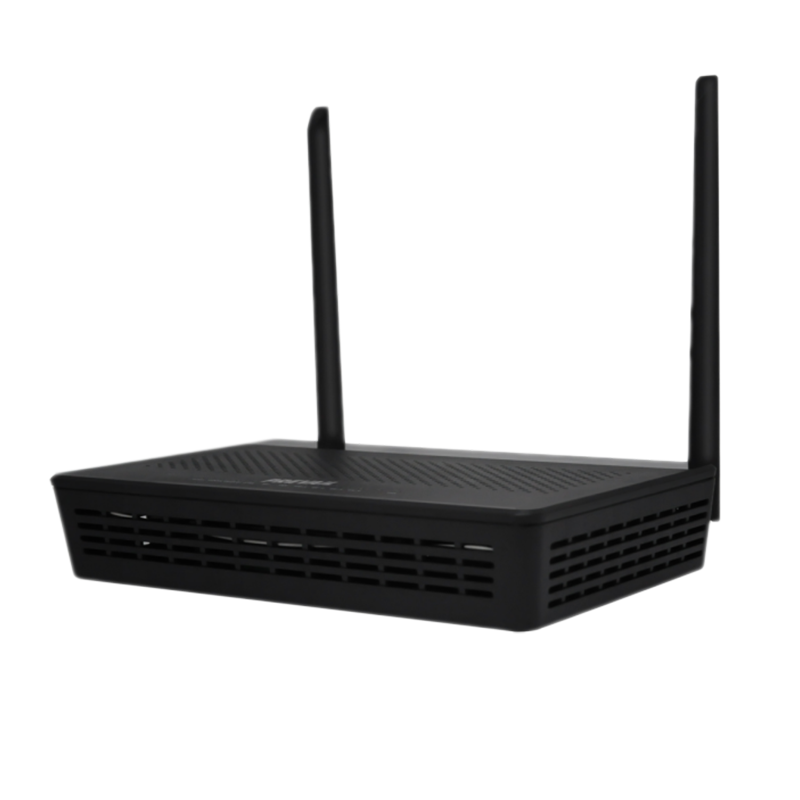
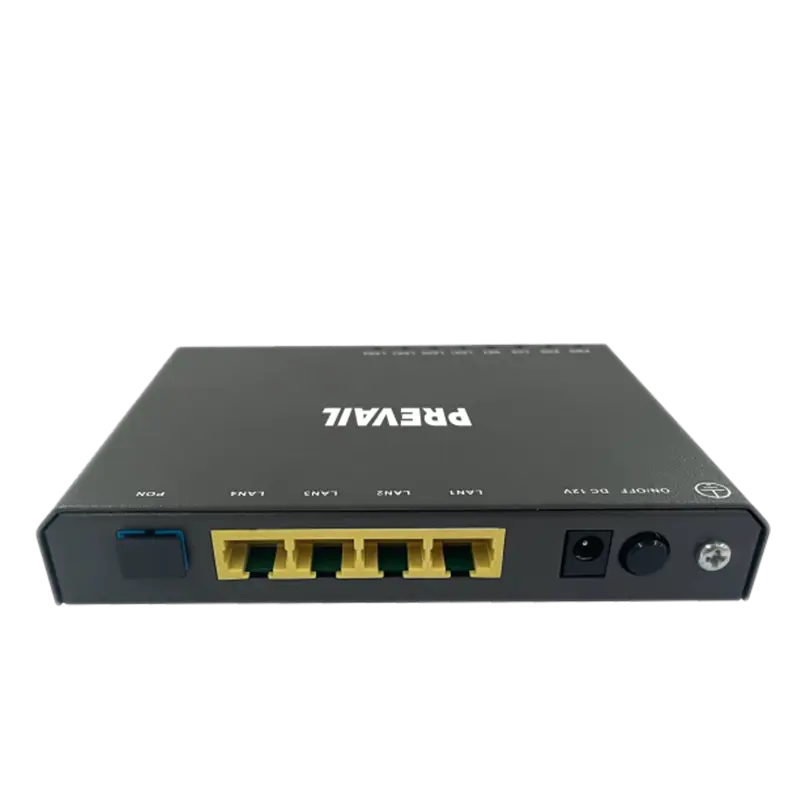
Field optical receivers are specialized devices used in optical communication systems to convert optical signals into electrical signals. Unlike standard receivers designed for indoor or controlled environments, field optical receivers are engineered to withstand outdoor conditions while maintaining reliable performance. These devices play a critical role in fiber optic networks, including telecommunications, data transmission, and industrial applications.
The increasing demand for high-speed communication and the expansion of outdoor fiber optic networks have made field optical receivers indispensable. Their design ensures minimal signal loss, environmental resistance, and long-term stability in diverse conditions.
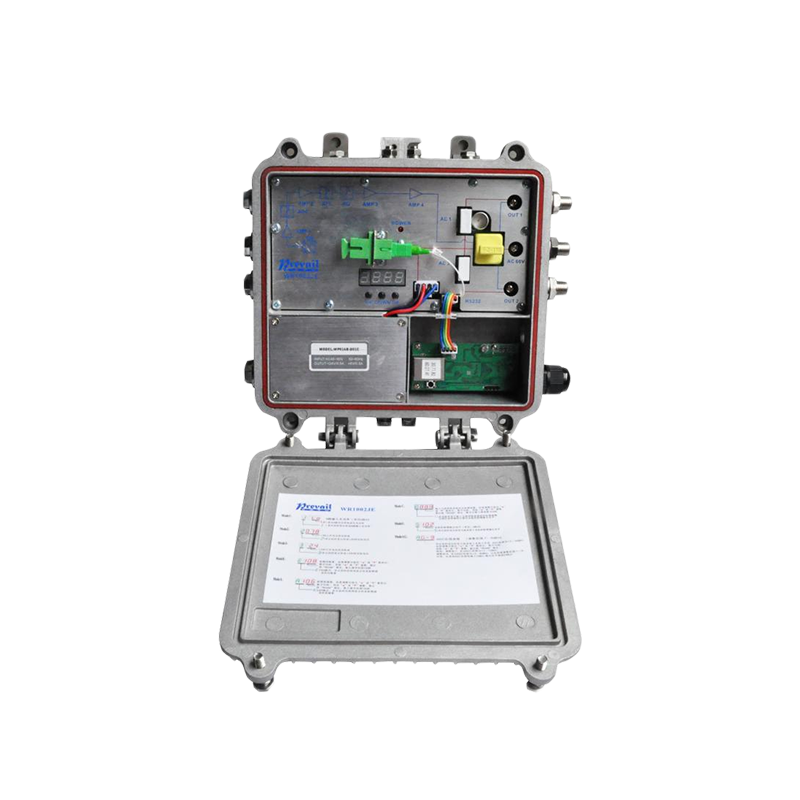
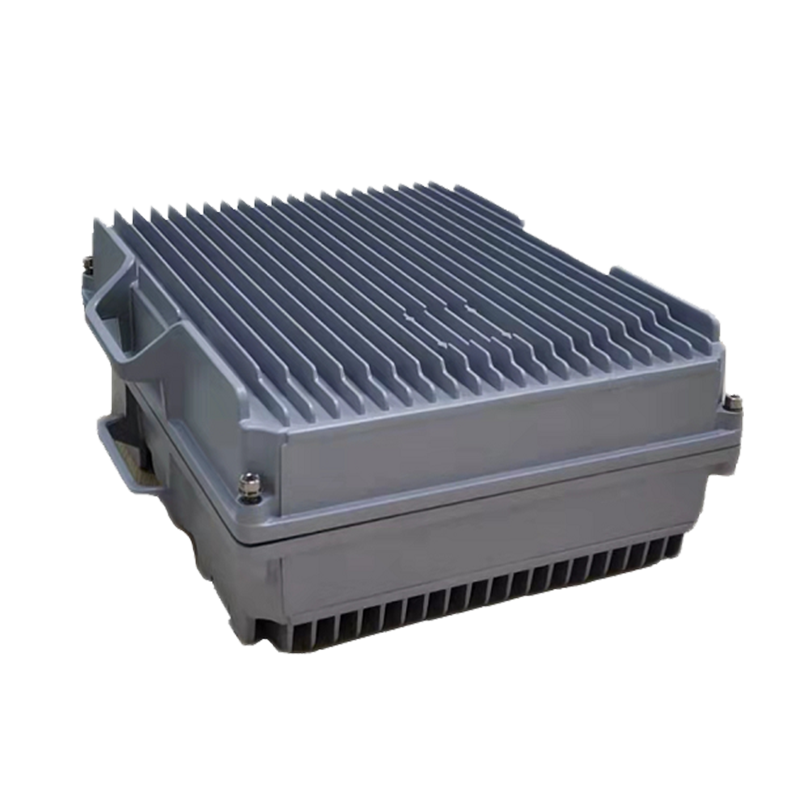
One of the primary advantages of field optical receivers is their robust construction. These devices are built to operate reliably in extreme outdoor conditions, including temperature fluctuations, humidity, rain, snow, and dust. Many field optical receivers feature sealed enclosures with IP65 or higher protection ratings, preventing moisture ingress and ensuring longevity.
Materials such as corrosion-resistant metals, high-grade plastics, and reinforced housings provide mechanical strength. This durability reduces maintenance frequency and lowers the total cost of ownership, making them ideal for remote or hard-to-reach installations.
Field optical receivers are optimized for accurate and stable signal conversion. They offer high sensitivity, low noise, and wide dynamic range, which ensures that even weak optical signals can be effectively converted without degradation. This is particularly important in long-distance outdoor fiber optic deployments, where signal attenuation can be significant.
Advanced receivers often incorporate built-in automatic gain control (AGC) and signal equalization technologies. These features maintain consistent performance despite variations in signal strength, fiber length, or network load, providing a reliable backbone for outdoor communication networks.
Field optical receivers are designed with practical deployment in mind. Many models include modular designs, plug-and-play connectors, and compact enclosures that simplify installation in outdoor cabinets, poles, or street-side locations. Quick setup reduces labor costs and minimizes network downtime.
Maintenance is also simplified thanks to features such as accessible optical ports, LED status indicators, and self-diagnostic capabilities. These enable technicians to monitor performance remotely and address potential issues proactively without dismantling the entire unit.
Many modern field optical receivers are designed for energy-efficient operation. Low power consumption reduces the load on outdoor power supplies, which is particularly advantageous for installations relying on solar or battery-powered systems. Efficient design also minimizes heat generation, which enhances reliability in high-temperature environments.
Field optical receivers are compatible with various optical network architectures, including single-mode, multi-mode, and passive optical networks (PON). They support multiple wavelength ranges and data rates, making them versatile for different applications such as telecom, industrial automation, and smart city infrastructure.
Their adaptability allows network designers to integrate them seamlessly with existing infrastructure or future network expansions. This flexibility is crucial in dynamic outdoor environments where network requirements can change rapidly.
Field optical receivers often include advanced protection mechanisms to safeguard both the device and the network. Overvoltage protection, lightning arresters, and surge protection circuits prevent damage from electrical anomalies common in outdoor installations. Additionally, optical signal monitoring can trigger alerts if signal levels drop below acceptable thresholds.
Although field optical receivers may have higher upfront costs compared to standard receivers, their durability, low maintenance needs, and reliability provide significant long-term savings. Reduced replacement frequency and minimized network interruptions make them a cost-effective choice for outdoor fiber optic deployments.
| Feature | Field Optical Receiver | Standard Receiver |
| Environmental Resistance | High (IP65+) | Low to medium |
| Installation Location | Outdoor/remote | Indoor/controlled |
| Signal Stability | High | Moderate |
| Maintenance | Easy, modular | Standard |
Field optical receivers are widely used in outdoor applications such as city-wide fiber networks, remote monitoring systems, industrial plants, railway communications, and smart grid infrastructure. Their ability to operate reliably in harsh conditions ensures uninterrupted connectivity and high-quality data transmission.
In smart city projects, for example, field optical receivers are deployed in street cabinets and outdoor poles to support traffic monitoring, public safety cameras, and IoT sensors. Their robustness and reliability make them suitable for critical infrastructure where downtime is not an option.
The key advantages of using a field optical receiver in outdoor installations include durability, weather resistance, high-performance signal reception, easy installation and maintenance, energy efficiency, network compatibility, and long-term reliability. These features make them a superior choice for outdoor optical networks compared to standard receivers.
Investing in high-quality field optical receivers ensures stable data transmission, reduces maintenance costs, and provides a robust foundation for expanding and future-proofing outdoor communication infrastructure.
top

E-mail:[email protected]

Telphone:+86-15967387077

FAX:+86-0571-82554407

Phone:+86-15967387077
QR code on
mobile phone