English
 русский
 Español
News
Home / News / Industry News / What Should You Know Before Installing an Outdoor Type Light Emitting Station?

Welcome to Prevail Website! Optical Communication Equipment Manufacturers and Suppliers in China

Content
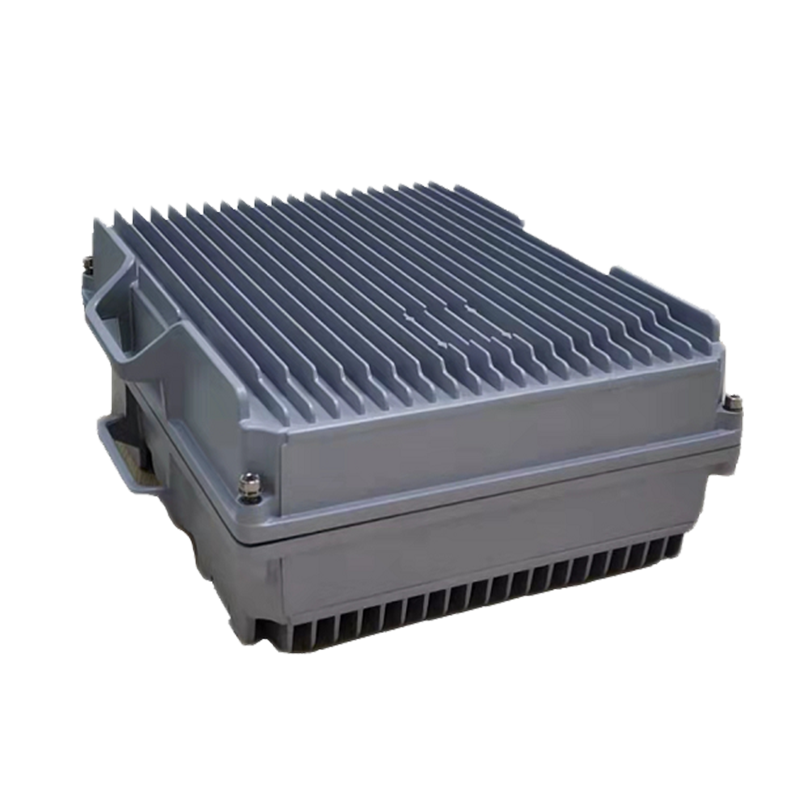
An outdoor type light emitting station is a purpose-built signaling or illumination device designed to operate reliably in exposed exterior environments. Unlike standard indoor signal lights or indicator panels, these units are engineered from the ground up to withstand rain, dust, temperature extremes, UV radiation, and mechanical impact — conditions that would rapidly degrade conventional lighting equipment. They are widely used in industrial facilities, transportation infrastructure, construction sites, perimeter security systems, maritime applications, and smart city deployments where a clearly visible, durable, and maintenance-efficient light signal source is required outdoors.
The term "light emitting station" encompasses a broad category of products that share a common functional purpose: generating a controlled, visible light output at a defined location to communicate status, alert personnel, guide movement, or mark boundaries. What distinguishes the outdoor type from its indoor counterparts is the engineering of its enclosure, optics, power system, and mounting hardware — all of which must perform to specification across years of continuous outdoor exposure without frequent intervention.
Outdoor type light emitting stations serve a remarkably diverse range of functional roles across industries and infrastructure categories. Understanding the breadth of their application helps clarify why their specifications vary so significantly across product lines and why selecting the right unit for a specific context is so important.
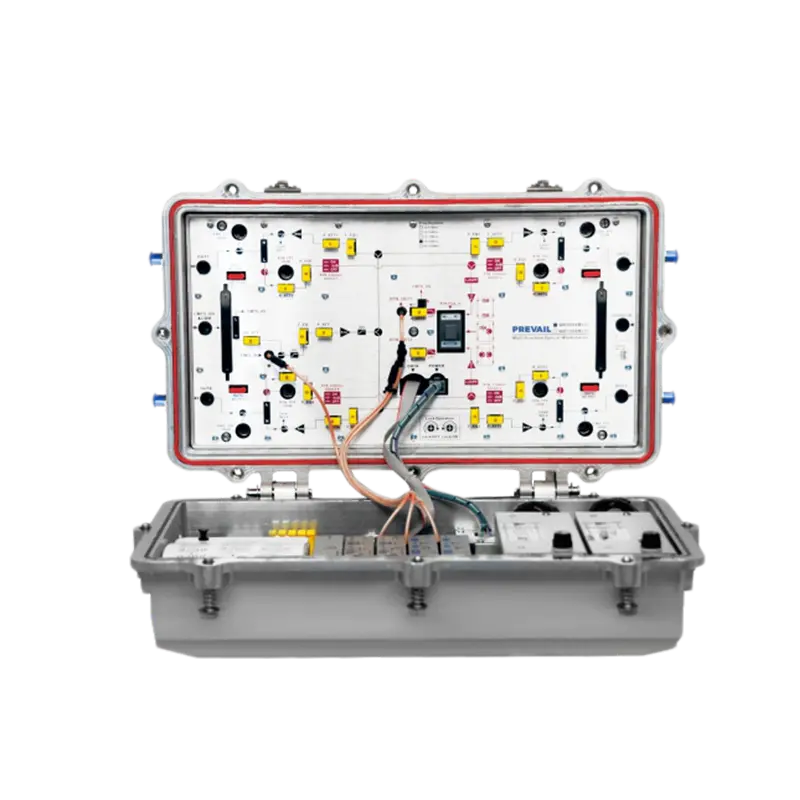
Selecting an outdoor type light emitting station requires careful evaluation of several interdependent technical parameters. Each specification directly affects how the unit performs in its installed environment, how long it lasts, and how much ongoing maintenance it demands.
The IP rating is the single most important specification for any outdoor light emitting station. Defined under IEC standard 60529, the IP code uses two digits to indicate resistance to solid particle ingress and liquid ingress respectively. For outdoor signaling applications, a minimum rating of IP65 is typically required — this indicates complete protection against dust ingress and resistance to low-pressure water jets from any direction. In applications subject to heavy rain, submersion risk, or high-pressure washdown (such as food processing outdoor areas or maritime installations), IP66, IP67, or IP68 ratings are more appropriate. Never assume a product marketed as "weatherproof" meets a specific IP standard without confirming the rated classification from the manufacturer's technical documentation.
Outdoor installations must cope with the full ambient temperature range of the deployment location across all seasons. Industrial-grade outdoor light emitting stations are typically rated for operating ranges of -40°C to +60°C or similar extremes, ensuring reliable startup and sustained operation in both sub-zero winter conditions and high-temperature summer environments. The temperature rating applies to both the light source itself and the control electronics — thermal cycling between extremes places particular stress on seals, optical components, and circuit board connections, so this specification should always be confirmed against the actual climate data of the installation site.
Modern outdoor light emitting stations almost universally use LED light sources rather than the incandescent, xenon, or halogen sources found in older equipment. LEDs offer dramatically longer service life (typically 50,000 hours or more at rated operating conditions), significantly lower power consumption, and far greater resistance to vibration-induced failure than filament-based sources. High-power LEDs also allow for precise optical beam shaping — an important factor when specific visibility distances or angular coverage patterns are required. When evaluating LED-based units, confirm the LED luminous intensity (measured in candela) at the specified viewing angle, as this determines effective visibility range under the ambient lighting conditions of the installation site.
The housing material of an outdoor light emitting station must resist not only moisture and temperature but also UV radiation, chemical exposure, and mechanical impact over a service life measured in years or decades. Common housing materials include glass-fiber reinforced polycarbonate (GF-PC), which offers excellent UV resistance and impact strength at moderate cost, and die-cast aluminum alloys with powder-coat or anodized finishes, which provide superior structural rigidity and thermal dissipation for high-power applications. Stainless steel housings are used in the most demanding corrosive environments, including marine and chemical plant installations, at a corresponding cost premium. The lens material — typically tempered borosilicate glass or UV-stabilized polycarbonate — must similarly resist yellowing, crazing, and impact over extended outdoor exposure.
Outdoor type light emitting stations are available in several physical configurations, each suited to specific mounting situations and visibility requirements. The table below summarizes the principal types and their practical characteristics:
| Configuration | Visibility Pattern | Typical Mounting | Best Application |
| Omnidirectional Beacon | 360° horizontal | Pole top / roof | General area warning, perimeter marking |
| Directional Signal Light | Focused beam (15°–60°) | Wall bracket / gantry arm | Gate control, access lane signaling |
| Tower Stack Light (Outdoor) | Multi-color 360° | Equipment housing / post | Process status, multi-state indication |
| Strobe / Xenon Flash Beacon | 360° high-intensity flash | Pole / elevated structure | Aviation obstruction, emergency alert |
| Floodlight Signal Station | Wide-area flood (90°–120°) | Wall / overhead bracket | Area illumination with status color coding |
Outdoor light emitting stations can be powered through several different supply configurations depending on the availability of grid infrastructure at the installation site and the reliability requirements of the application. Understanding the electrical options available helps ensure the chosen unit integrates cleanly into the site's power architecture.
The method by which an outdoor light emitting station is controlled has significant implications for how it integrates with the broader system it supports. Simple standalone installations may use direct hardwired switching, while complex industrial or smart infrastructure deployments require network-based control with remote monitoring capability.
The most straightforward control method uses direct wiring from a control panel, PLC digital output, or relay to switch the light emitting station on and off or select between operational modes. This approach is highly reliable, requires no communication protocol configuration, and is appropriate for simple single-function applications. Wiring must be routed through weatherproof conduit and terminated using outdoor-rated connectors or glands rated to match the unit's IP classification.
For industrial installations where multiple light emitting stations are managed from a central SCADA or PLC system, fieldbus-compatible units supporting protocols such as Modbus RTU, Profibus, or IO-Link allow network-based addressing, status feedback, and remote configuration. This architecture significantly reduces wiring complexity in large installations and enables real-time monitoring of device health and operational state — valuable for predictive maintenance programs in critical infrastructure facilities.
Wireless-controlled outdoor light emitting stations using protocols such as Zigbee, LoRaWAN, or cellular IoT are increasingly specified for smart city deployments, remote monitoring applications, and installations where running control cabling is impractical or cost-prohibitive. These units typically incorporate onboard microcontrollers with wireless transceivers and can receive commands, report operational status, and adjust output parameters over the network. Security hardening of the wireless communication layer is an important consideration for any safety-critical outdoor signaling application using wireless control.
Even the highest-specification outdoor light emitting station will underperform or fail prematurely if installed incorrectly. Several practical installation principles apply across virtually all outdoor deployments and should be incorporated into the project planning process from the outset.
One of the primary advantages of modern LED-based outdoor light emitting stations over earlier technology is their dramatically reduced maintenance burden. A well-specified LED unit installed in conditions matching its rated operating parameters can be expected to deliver 50,000 hours or more of continuous service before the LED source requires replacement — equivalent to more than five years of around-the-clock operation. In practice, most outdoor light emitting stations operate on duty cycles well below continuous, extending effective service life considerably further.
Periodic maintenance should focus on lens cleaning to remove accumulated dust, pollution film, bird deposits, or salt spray that reduces effective light output over time, along with inspection of seals and gaskets for signs of UV degradation or compression set that could allow moisture ingress. Mounting hardware should be inspected and re-torqued annually in high-vibration environments. Electrical connections at terminal blocks and cable glands should be checked for corrosion or loosening, particularly in marine or chemical environments where conductor oxidation can develop rapidly. Keeping a maintenance log with inspection dates and observations provides early warning of degradation trends before they develop into functional failures.
top

E-mail:[email protected]

Telphone:+86-15967387077

FAX:+86-0571-82554407

Phone:+86-15967387077
QR code on
mobile phone